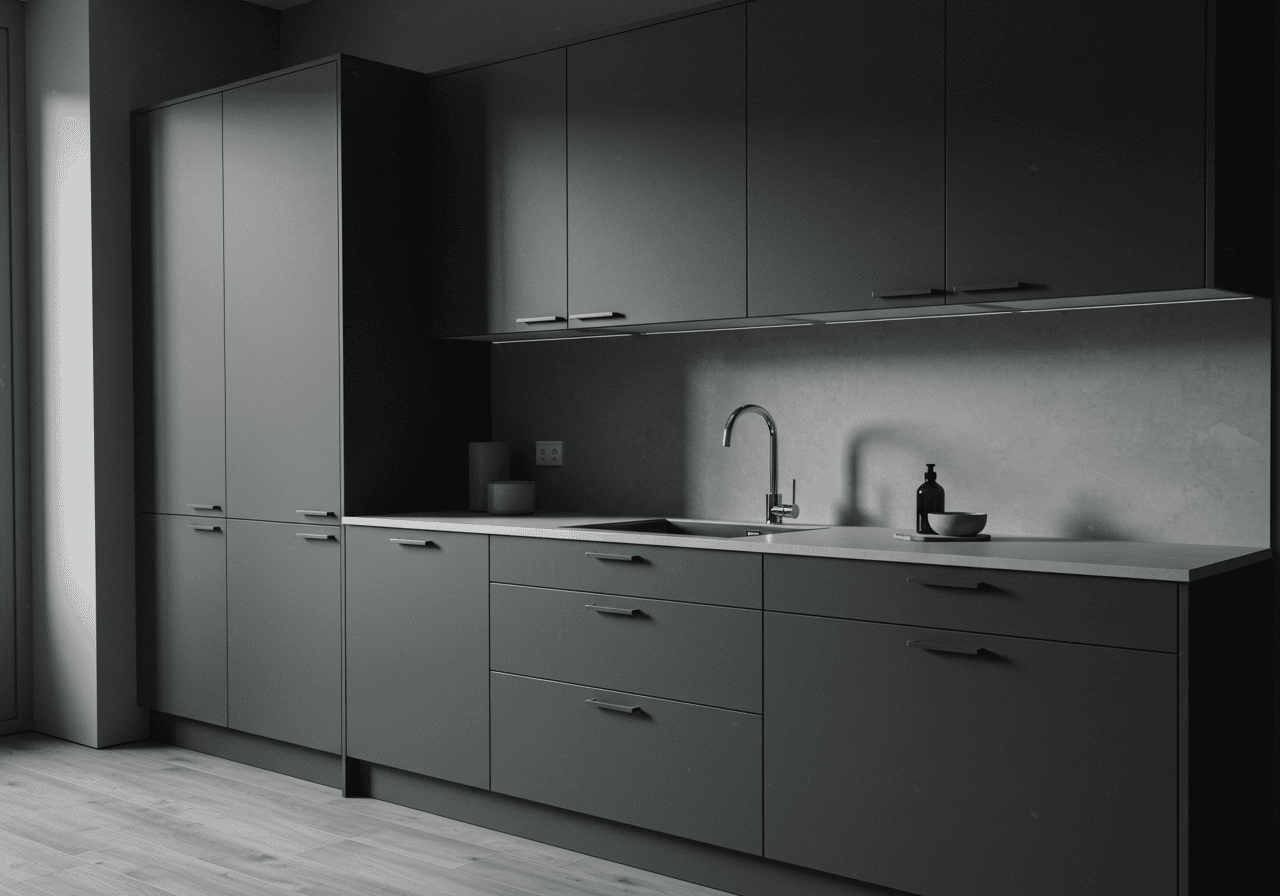

We’ve all done it. You scroll through Pinterest, spot a dining room that looks like it belongs in a Nancy Meyers movie, click the link, and realized the dining table alone costs more than your first car. It’s defeating.
But here is the truth that high-end designers don’t always broadcast: Style has almost nothing to do with how much money you spend, and everything to do with how you use it.
I have designed dining rooms with five-figure budgets that felt sterile, and I’ve styled IKEA-filled spaces that felt like a boutique hotel. You do not need to take out a second mortgage to host a dinner party that feels luxurious. You just need a little strategy, a Allen wrench, and the confidence to mix high and low.
In this guide, I’m breaking down exactly how to fake a high-end look using budget-friendly finds. We aren’t just plopping down a LACK table and calling it a day; we are curating.
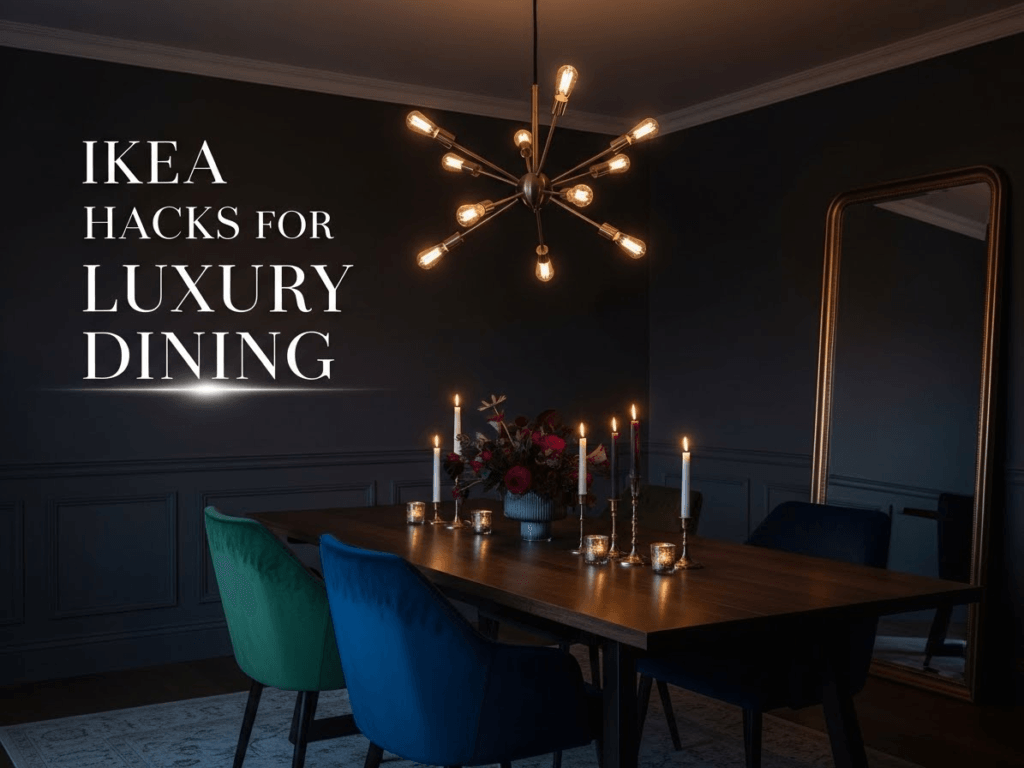
The Strategy: “The High-Low Mix”
Before we head to the blue-and-yellow maze, you need a game plan. The secret to a luxury aesthetic is intentionality. Cheap furniture looks cheap when it looks like an afterthought. When it’s customized, styled, or placed correctly, it looks like a design choice.
We are going to focus on three pillars:
- Architecture & Bones (The walls and floors)
- The “Hack” (Elevating the furniture)
- The Jewelry (Lighting and hardware)
1. Custom Built-Ins (For the Price of a Bookcase)
Nothing screams “custom luxury home” quite like floor-to-ceiling built-ins. If you have a blank wall in your dining room, this is your highest ROI (Return on Investment) move.
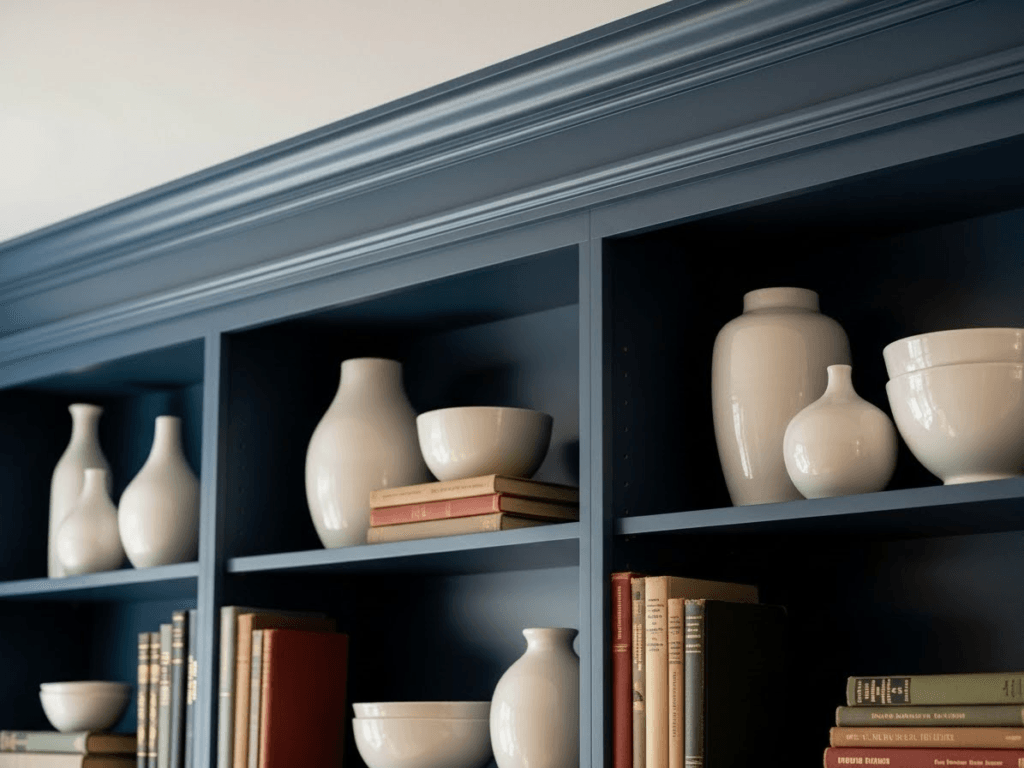
The Hack: The IKEA BILLY or HAVSTA units.
Instead of buying a standalone china cabinet, line up 3 or 4 tall bookcases.
- Step 1: Bolt them together so there are no gaps.
- Step 2: Add trim (crown molding) to the top and baseboards to the bottom. This bridges the gap between the furniture and your ceiling/floor, making it look built-in rather than stuck-on.
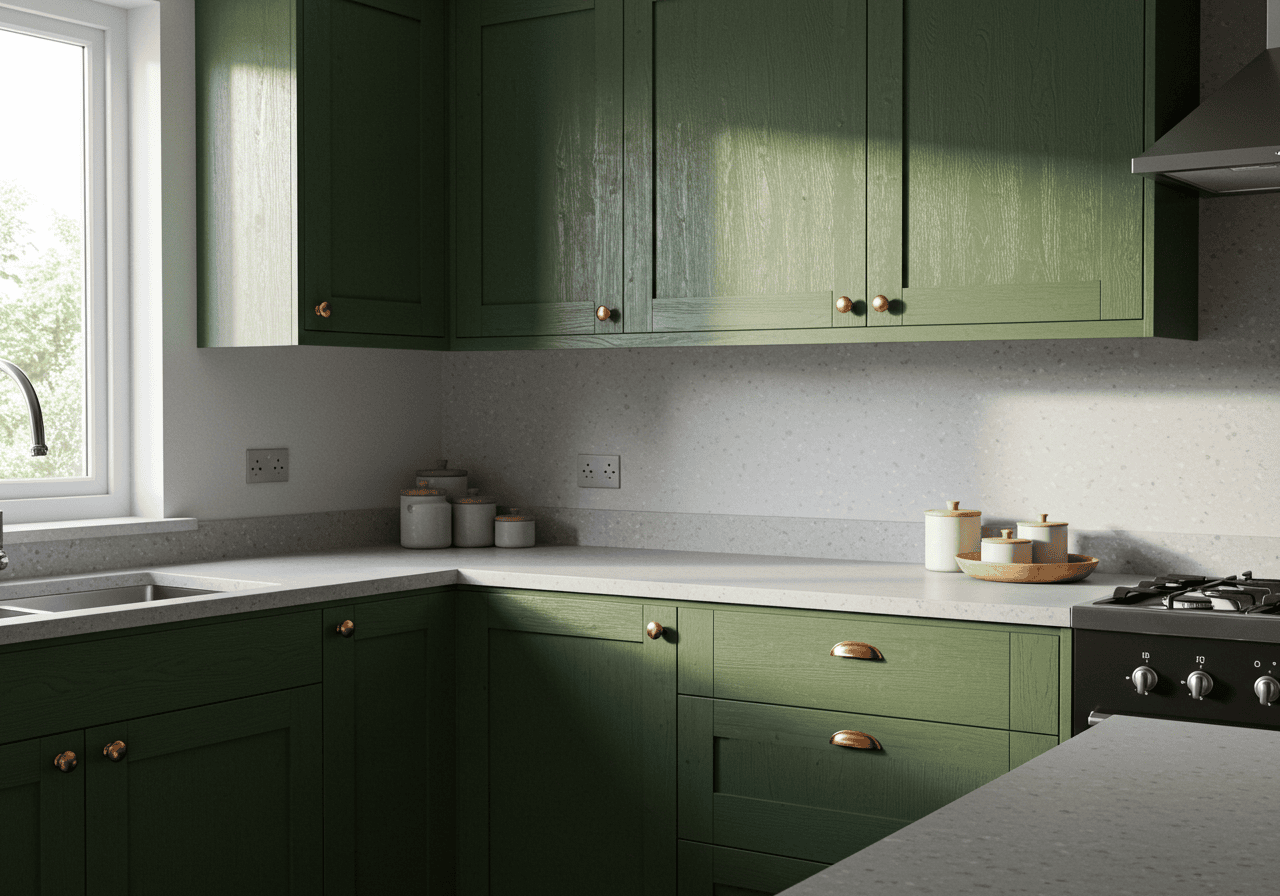
- Step 3: Paint it. This is non-negotiable. If you want a moody, dramatic look, go for a deep charcoal or forest green.
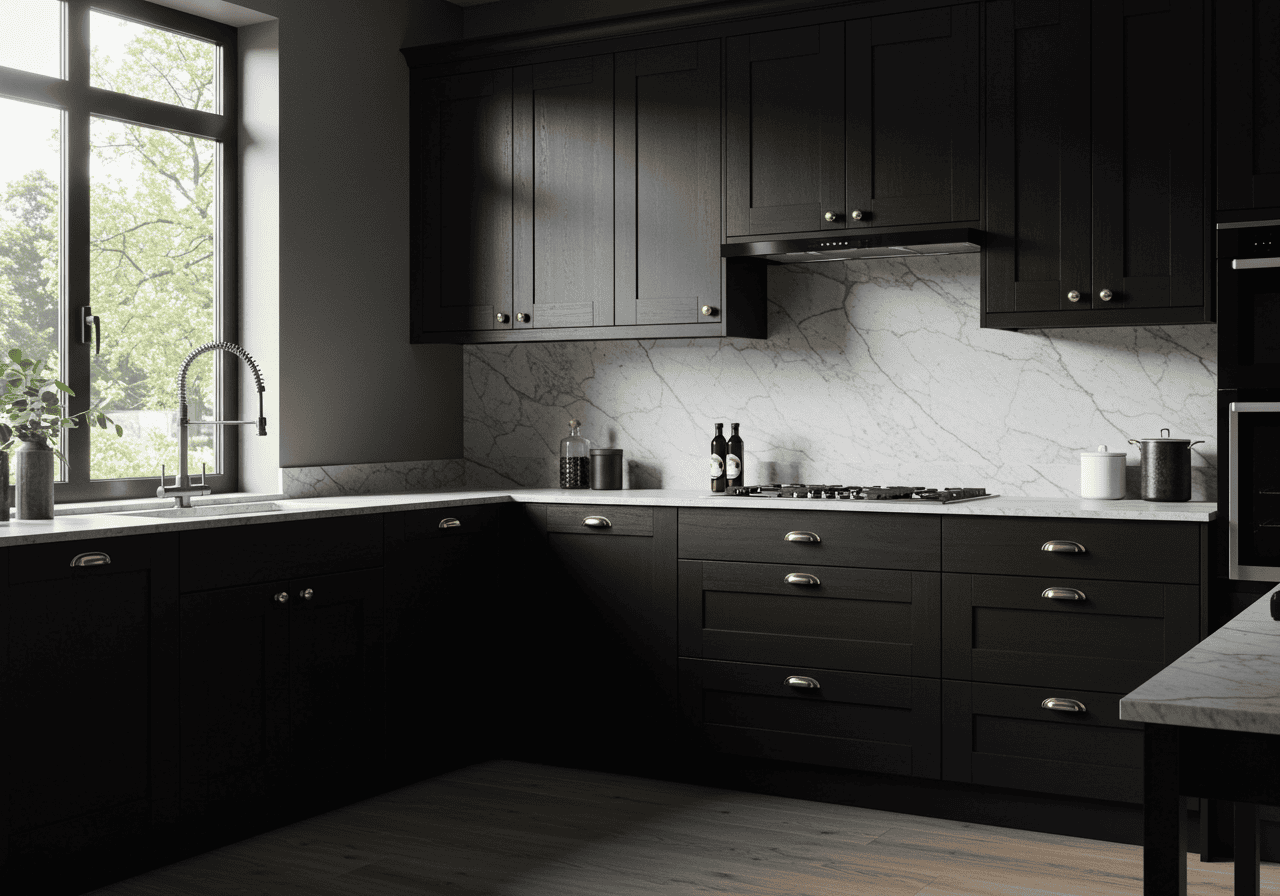
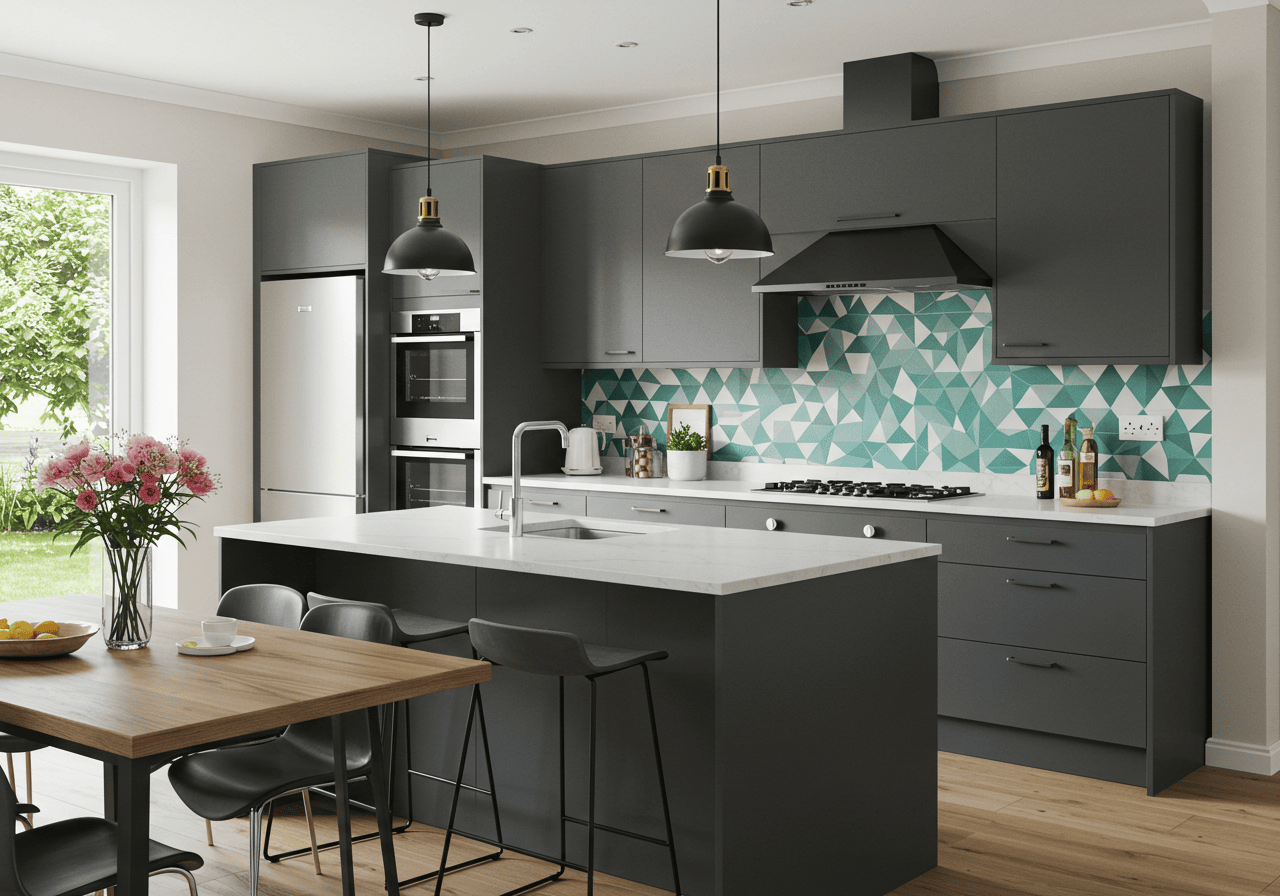
(Side note: If you love the drama of black kitchen cabinets, applying that same color theory to your dining storage creates an instant focal point.)
For Renters:
You can’t bolt things to the wall or add heavy molding? No problem. Use the same bookcases, but skip the caulk. Instead, focus on color blocking. Paint the bookcases the exact same color as the wall behind them. It tricks the eye into thinking the shelving is part of the architecture.
2. Lighting: The “Jewelry” of the Room
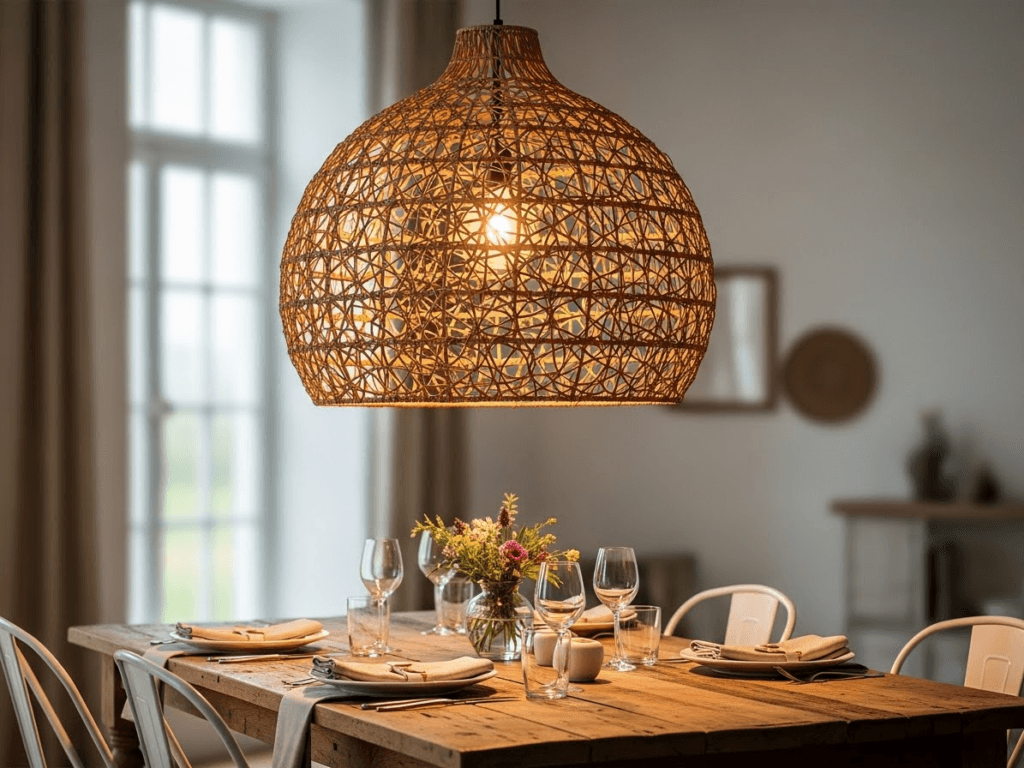
If you only change one thing in your dining room, make it the lighting. Most builder-grade dining rooms come with a sad, undersized fixture (the dreaded “boob light” or a tiny chandelier).
The Rule: Go Big or Go Home.
A tiny light fixture makes a room feel cheap and disproportionate. Your chandelier should be roughly one-half to two-thirds the width of your dining table.
- Layering: Don’t rely on overhead lighting alone. That’s how you get that “cafeteria” vibe. Add sconces or a table lamp on a buffet.
- Temperature: Always use warm white bulbs (2700K – 3000K). Cool daylight bulbs (5000K) belong in a hospital, not your dinner party.
Check out our guide on kitchen lighting ideas—the same principles of layering task and ambient lighting apply right here in the dining room.
The IKEA Pick:
The SINNERLIG pendant is a classic for a reason—it adds texture and scale for under $130. However, if you want something more modern, look for glass globes or brass finishes.
3. Window Treatments: High and Wide
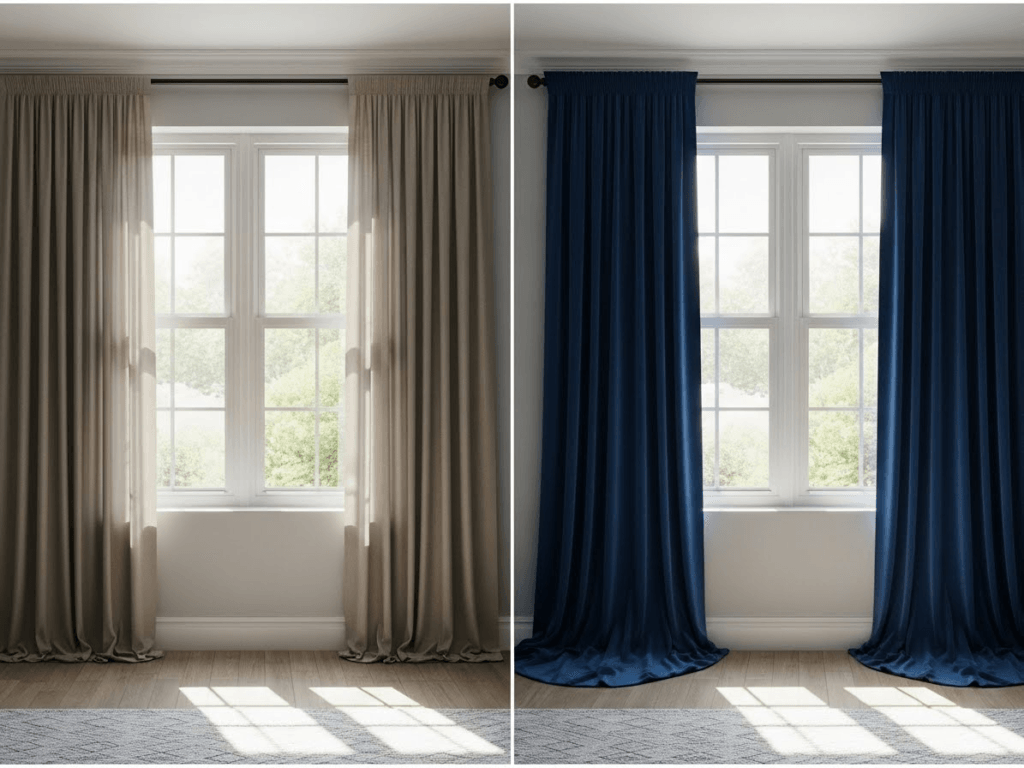
This is the number one mistake I see in DIY interiors. People hang their curtain rods directly on the window frame. This visually shrinks the window and lowers the ceiling.
The Luxury Rule:
- Height: Hang the curtain rod 4-6 inches below the ceiling (or crown molding), regardless of where the window top is.
- Width: Extend the rod 10-12 inches past the window frame on both sides. When the curtains are open, they should barely cover the glass, maximizing natural light.
The IKEA Hack:
Buy the RITVA or SANELA (velvet) curtains. They come in long lengths (get the 98″ or 118″).
- The Secret Sauce: Throw away the little plastic hooks that come with them. Buy drapery pins and hang them using rings on a rod.
- Pinch Pleat: You can sew a simple pinch pleat or use pleating tape to give them that tailored, custom-drapery look.
For Small Spaces:
Vertical lines draw the eye up. By hanging curtains floor-to-ceiling, you make a cramped apartment dining nook feel twice as tall.
4. The Table and Chairs: Mixing Materials
If you buy the matching table and chair set from the showroom floor, your room will look like a catalogue page (and not in a good way). It lacks soul.
The Mix:
If you have a wood table, do not use wood chairs in the same tone. It looks heavy and dated.
- Wood Table: Pair with upholstered chairs, metal chairs, or painted chairs.
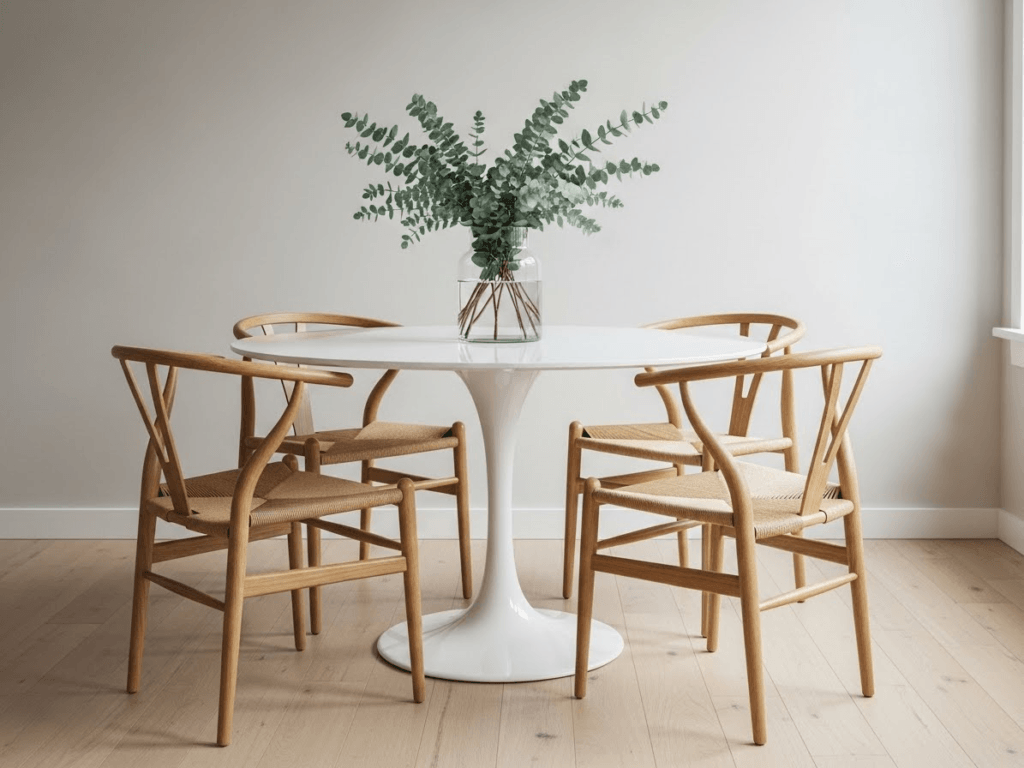
- Modern Table: If you have a sleek white or tulip table, warm it up with wood chairs (think Wishbone style) or vintage finds.
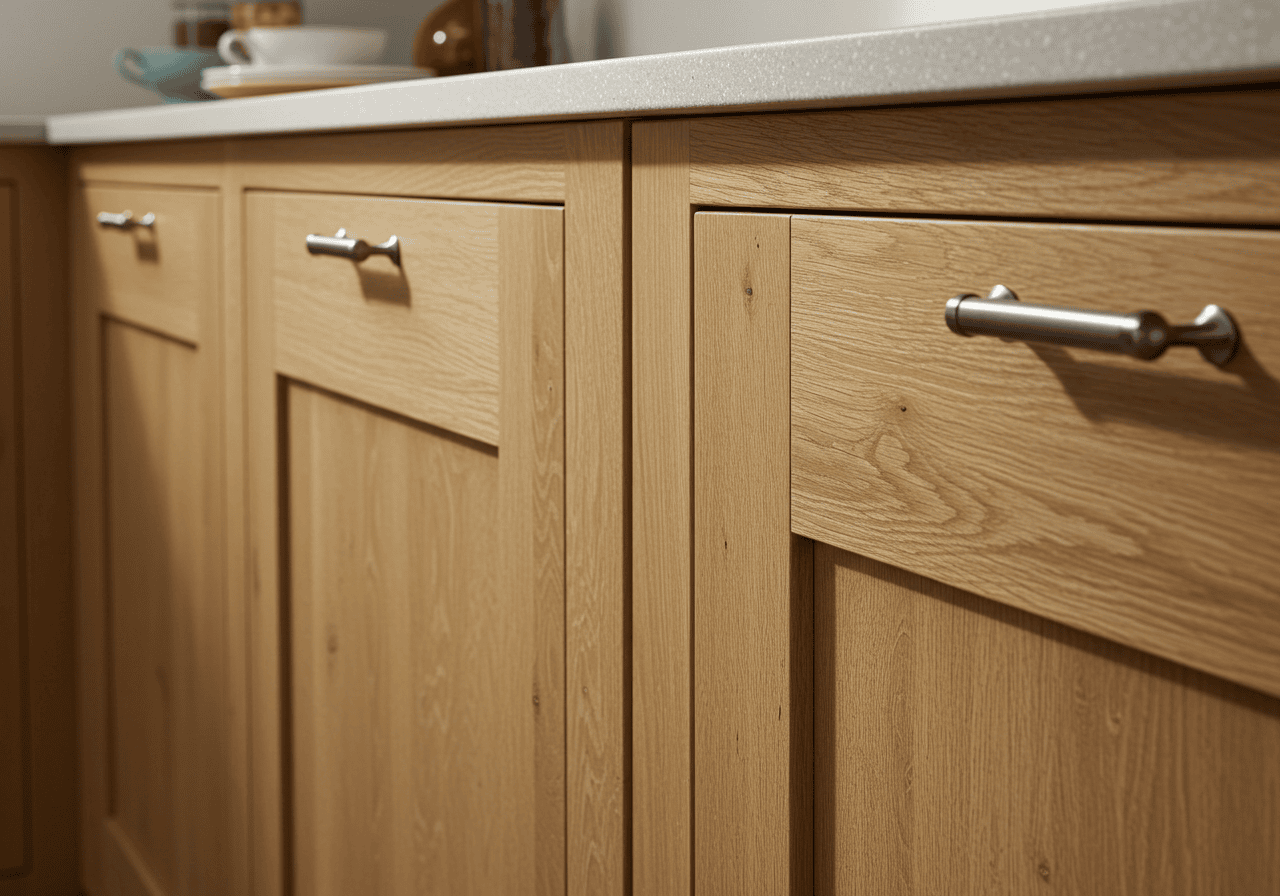
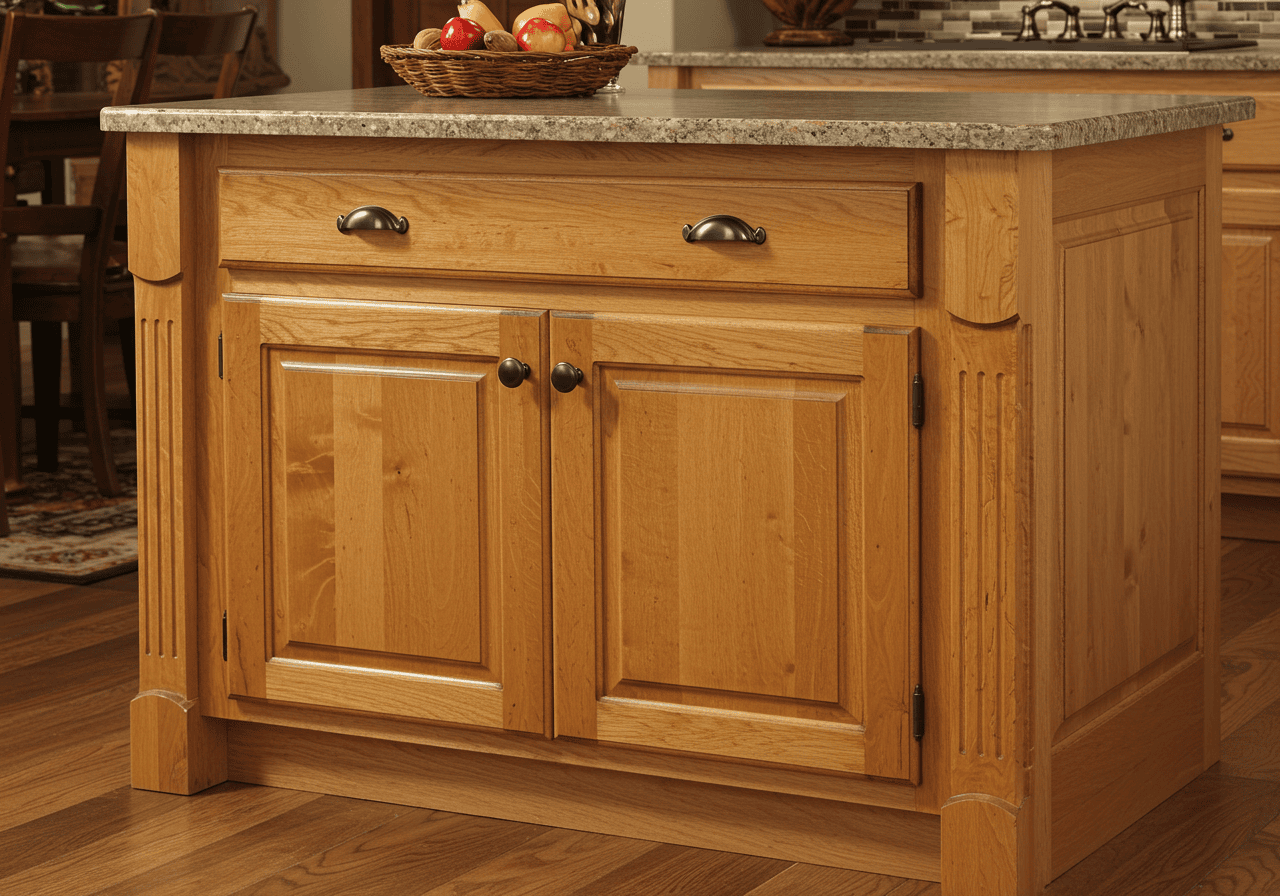
If you are stuck with generic wooden cabinets nearby, take a peek at some oak kitchen cabinets styling to see how mixed metals and contrasting colors can break up the “wood overload.”
Budget Tip:
Buy a sturdy, simple IKEA table (like the DOCKSTA or MÖRBYLÅNGA). Then, scour Facebook Marketplace or thrift stores for vintage chairs. A set of vintage cane chairs around an IKEA table looks infinitely more expensive than a full IKEA set.
5. Wall Treatments: Paint and Texture
White walls are safe. But if you want “high-end,” you usually need to step away from the safety net. Paint is the cheapest way to transform a room, costing about $50 a gallon.
The “Box Trim” Hack:
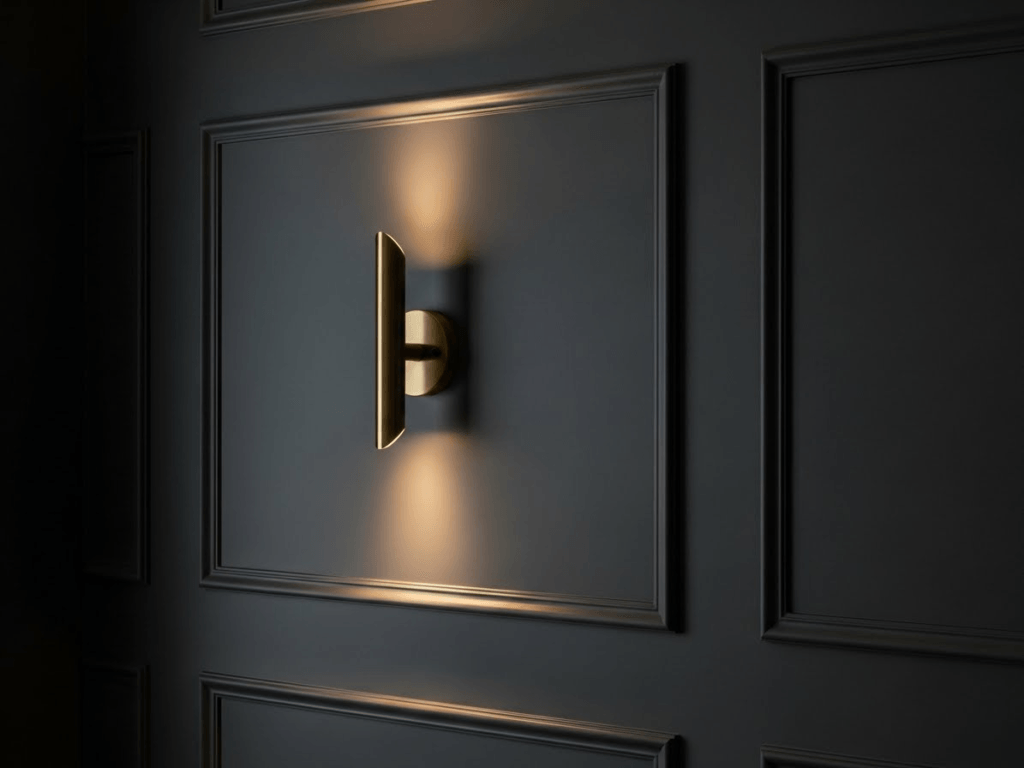
You know those fancy Parisian apartments with the paneled walls? You can fake that.
Buy thin strips of molding from the hardware store (or Home Depot). Glue and nail them to your walls in large rectangular “boxes.” Paint everything—the wall, the trim, and the baseboards—the same color.
- Result: Instant architectural interest that looks like it cost thousands in carpentry.
Color Drenching:
If you aren’t handy with a saw, use the “Color Drenching” technique. This means painting the walls, trim, ceiling, and even the door the same color. It blurs the edges of the room and makes small spaces feel infinite (and cozy).
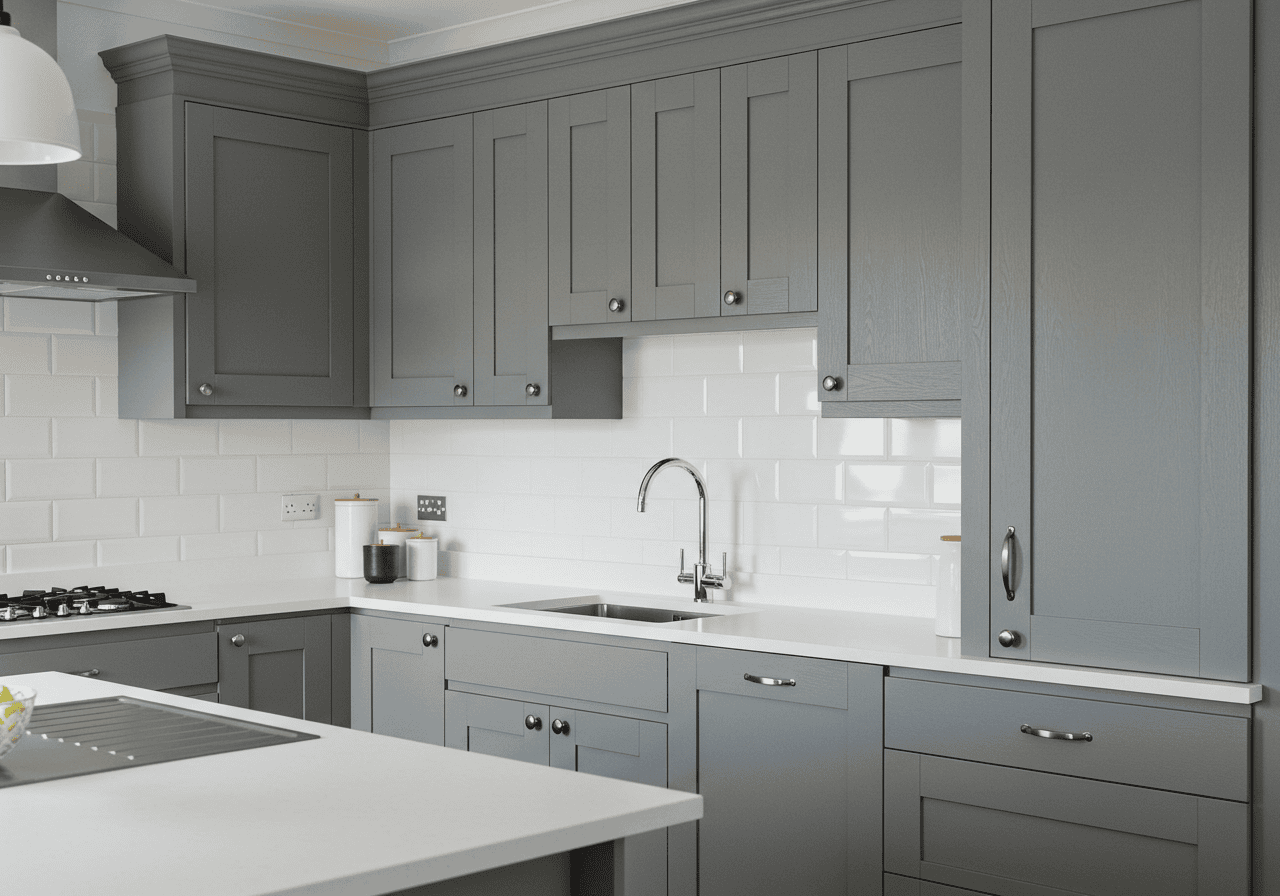
- Design Tip: If you’ve been drooling over dark green kitchen cabinets but are scared to commit to permanent cabinetry, the dining room is the perfect place to test a moody hue. Or, if you prefer something lighter, soft “greige” works beautifully—similar to the vibe of sophisticated gray kitchen cabinets.
6. The Rug: Grounding the Space
A rug can make or break a room. The most common offense I see? The “Postage Stamp” rug.
If your rug is floating in the middle of the room and your chair legs fall off it when you pull them out to sit, the rug is too small. It makes the room look cheap.
The Sizing Rule:
Your rug needs to be at least 24 inches wider than your table on all sides. When guests are sitting, all four legs of their chair should remain on the rug.
Style & Material:
- For durability: Look for flatweaves or low-pile rugs. They are easier to vacuum crumbs out of.
- For aesthetics: If your table is wood and your floors are wood, you need a rug to create contrast. Otherwise, it all blends into a brown mush.
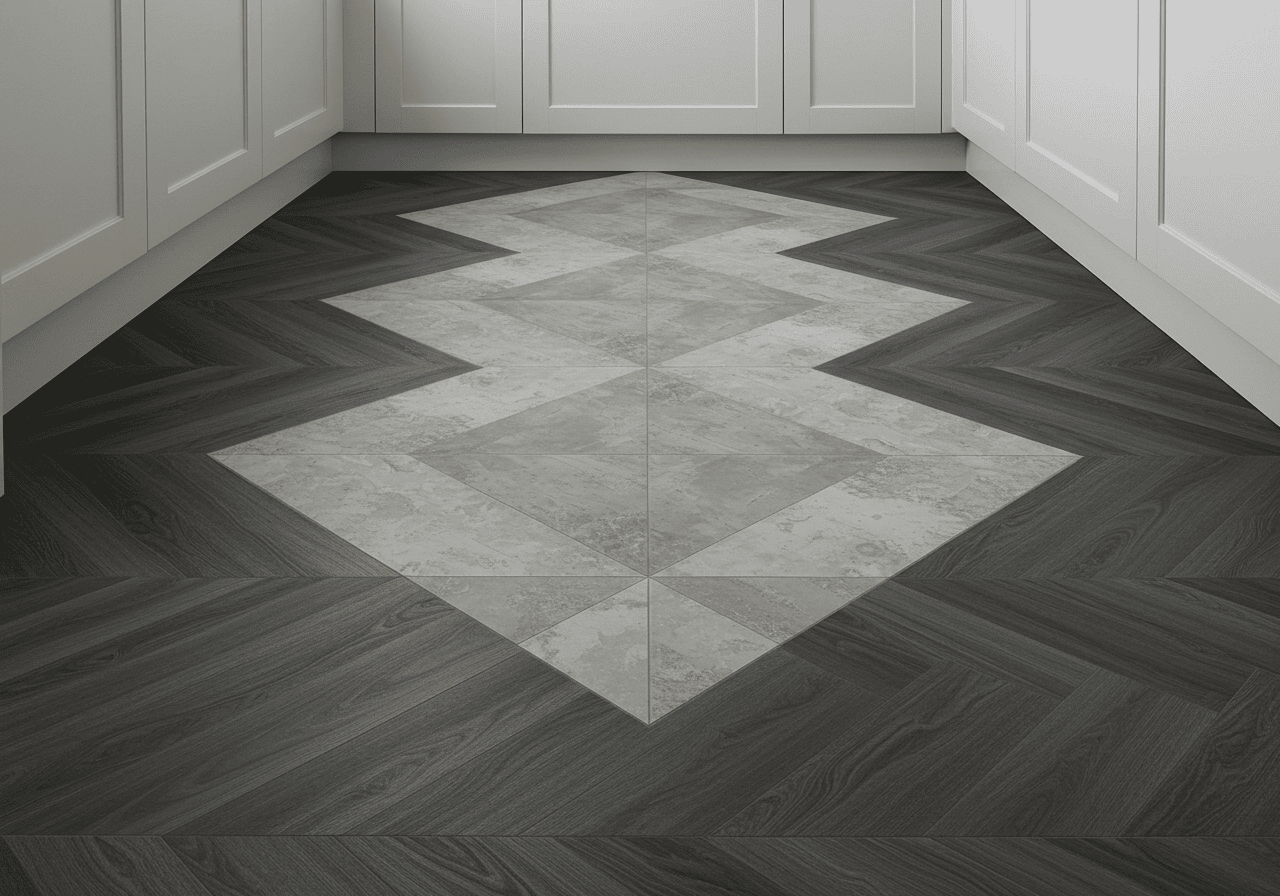
If you are dealing with an open-concept space connected to the kitchen, make sure the rug complements your kitchen flooring ideas rather than clashing with them.
7. Accessories: The “Vintage” Touch
A room filled exclusively with new items feels flat. It feels like a showroom, not a home. To get that high-end, collected look, you need items that feel like they have a history.
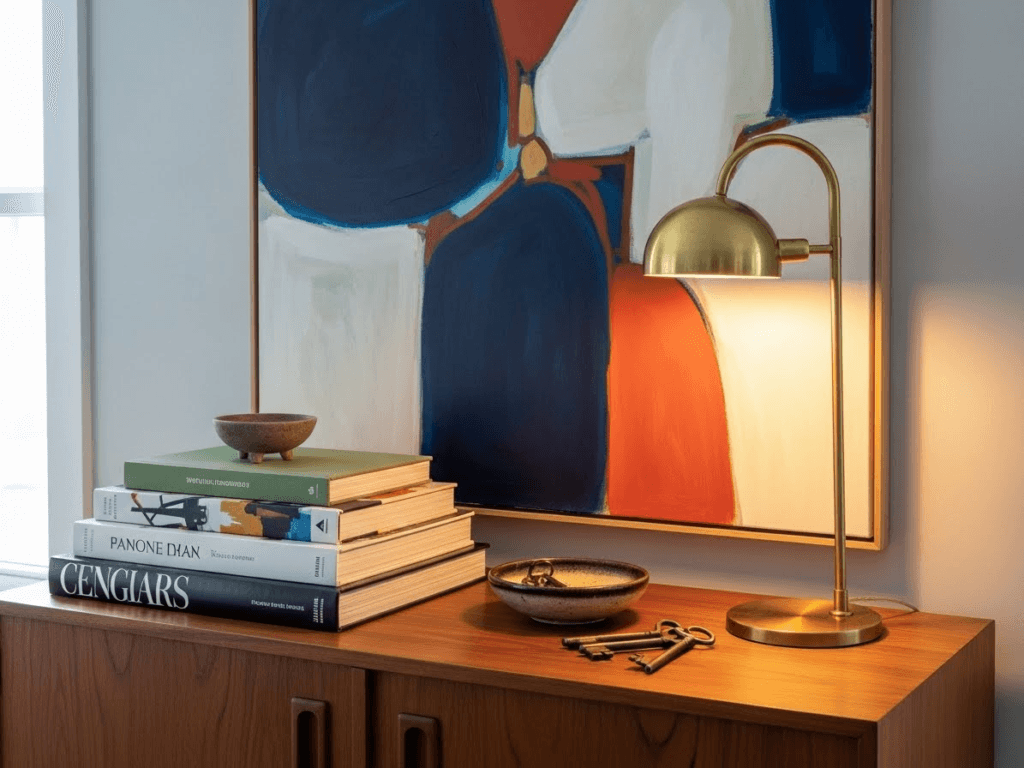
The Art Hack:
Large-scale art is expensive.
- DIY It: Buy a huge drop cloth or a large blank canvas. Paint something abstract (mostly one color with some texture). Frame it in a simple wood floating frame.
- Thrift It: Look for vintage oil paintings. Even a small vintage painting looks expensive when leaned against a wall on a buffet.
Styling the Table:
Don’t leave the table naked when not in use. A simple ceramic bowl with fruit or a large vase with tall branches is all you need.
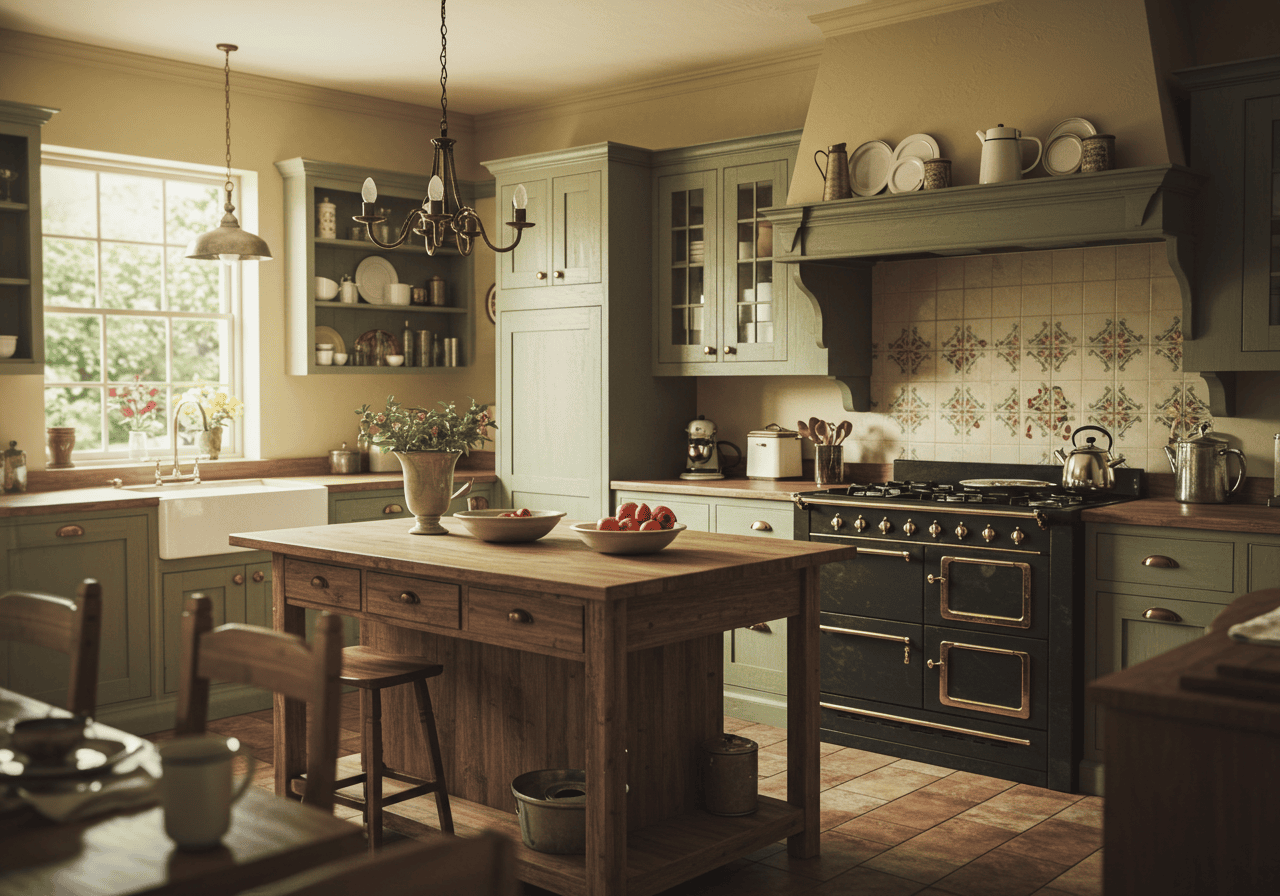
- Pro Tip: If you love a vintage kitchen aesthetic, scout thrift stores for brass candlesticks or heavy ceramic pitchers.
High-End vs. IKEA Hack: The Cost Breakdown
I love numbers because they don’t lie. Here is what you save by using this strategy versus buying “the look” from a high-end retailer.
| Item | High-End Retailer Cost | The “IKEA Hack” Cost | Your Savings |
| Dining Table | $2,200 (Solid Oak) | $350 (IKEA + Stain/Seal) | $1,850 |
| 6 Chairs | 1,800(1,800(300/each) | $400 (Facebook Marketplace/Vintage) | $1,400 |
| Built-in Storage | $4,500 (Custom Carpentry) | $400 (3 Billy Bookcases + Trim) | $4,100 |
| Lighting | $600 (Designer Pendant) | $80 (IKEA Sinnerlig or DIY) | $520 |
| TOTAL | $9,100 | $1,230 | ~$7,870 |
That is nearly $8,000 saved. You can buy a lot of good wine for your dinner parties with that cash.
Expert Tips: The Details People Forget
These are the small tweaks that elevate the room from “Good” to “Wait, you did this yourself?”
- Swap the Hardware: If you use an IKEA buffet or cabinet, throw away the knobs it came with. Buy heavy brass or matte black hardware online. It changes the entire weight and feel of the piece. (This works wonders in kitchens too—check our kitchen cabinet color ideas for hardware pairing inspiration).
- Add Greenery: Every room needs life. A tall Fiddle Leaf Fig or a faux Olive Tree in the corner adds height and organic texture.
- Mix Your Eras: Don’t stick to one time period. A mid-century modern kitchen or dining table looks amazing with traditional art. A rustic kitchen farm table looks incredible with modern plastic chairs. The friction creates the style.
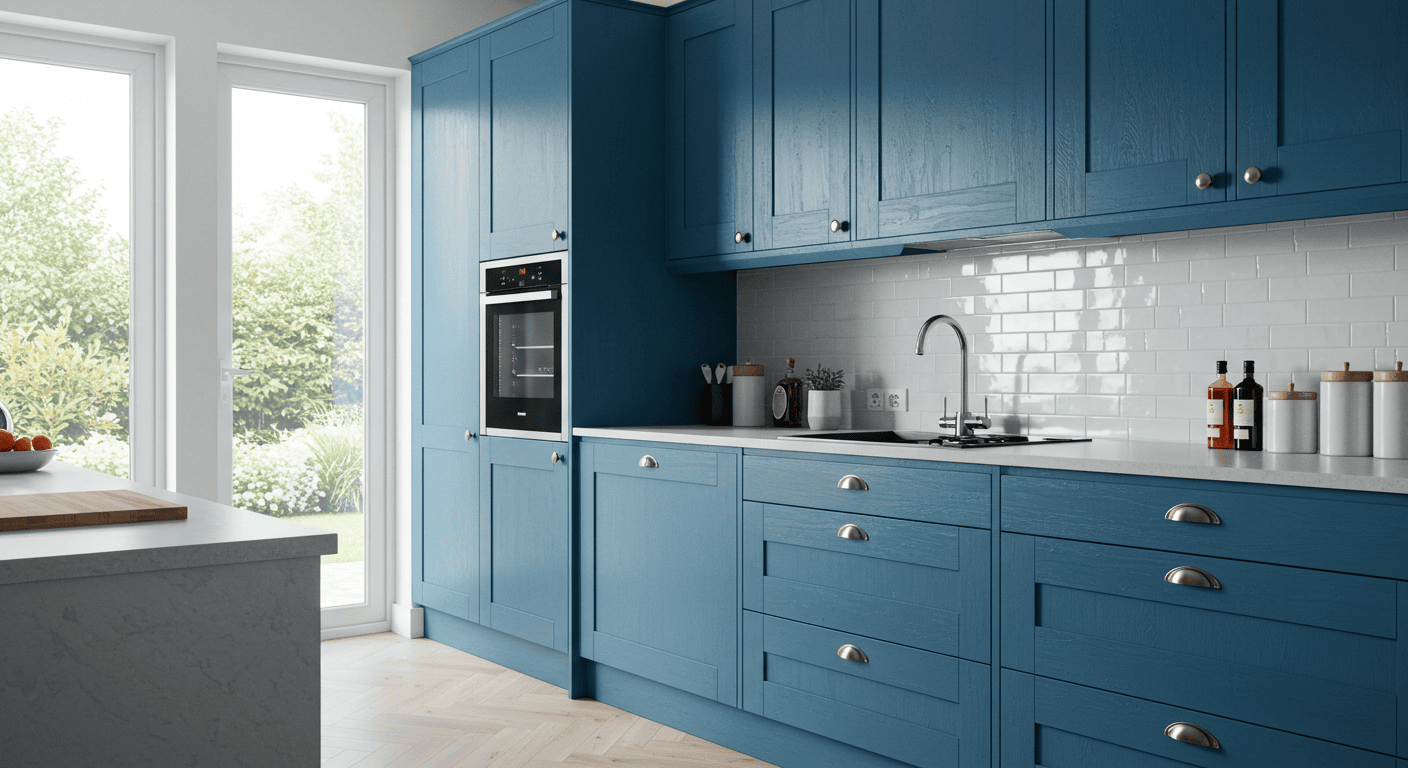
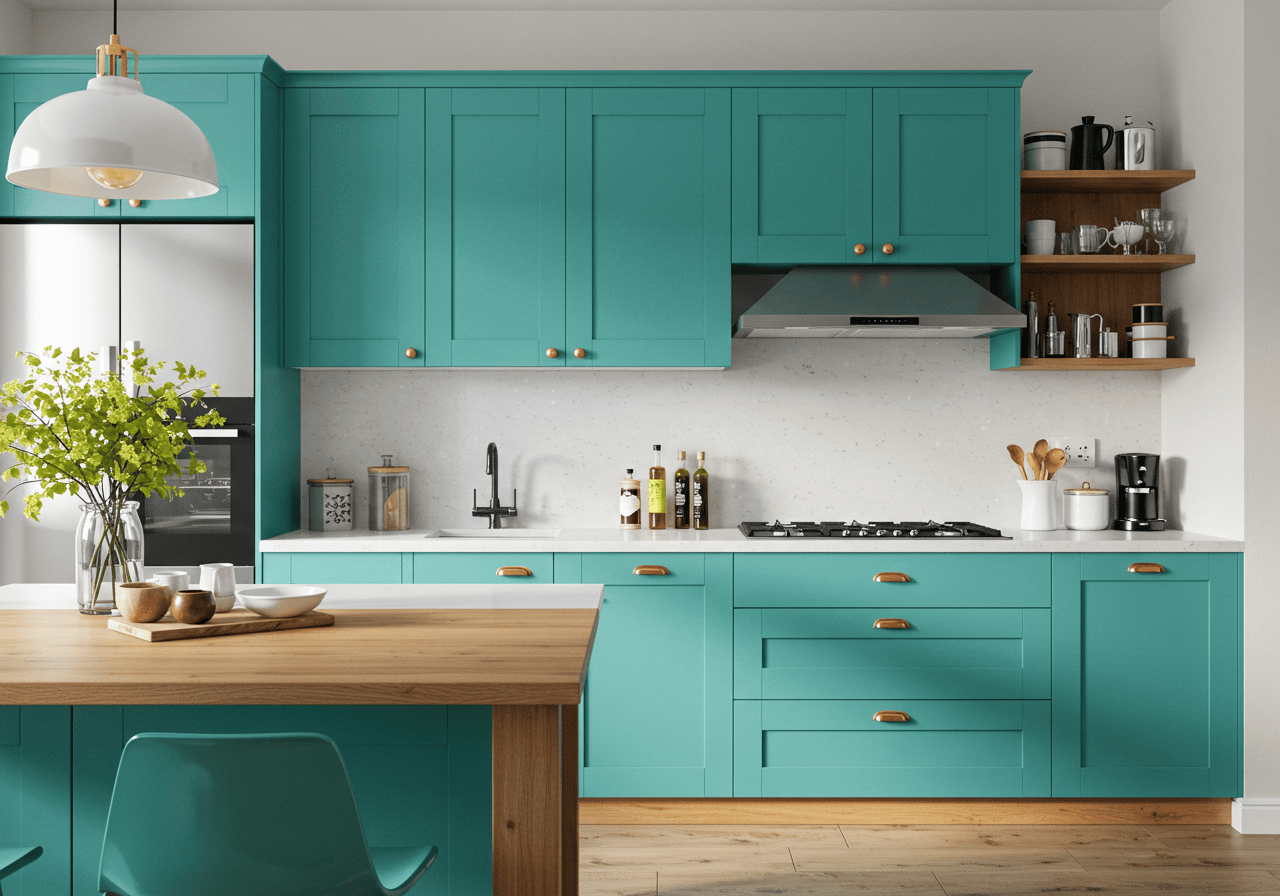
- Consistency Flow: Ensure your dining decor flows into the kitchen. If you have blue kitchen cabinets, maybe bring that blue into the dining room curtains or rug for continuity.
Frequently Asked Questions
1. Can I mix wood tones in the dining room?
Absolutely. In fact, you should. Matching wood sets look dated (think 1990s showroom). The trick is to keep the undertones consistent. If you have warm hickory kitchen cabinets nearby, stick to warm wood tones for your table, even if one is lighter and one is darker.
2. Is a round or rectangular table better for small spaces?
Round tables are the MVP of small spaces. They have better flow (no sharp corners to bump into) and you can usually squeeze in one extra chair when needed.
3. How do I make IKEA furniture look less “IKEA”?
Texture and customization. Paint it, swap the legs, change the handles, or add a stone top. Never use it exactly as the instructions say if you want a custom look. Even modern kitchen ideas often utilize IKEA bases with custom fronts!
4. What if I want a colorful dining room but I’m scared?
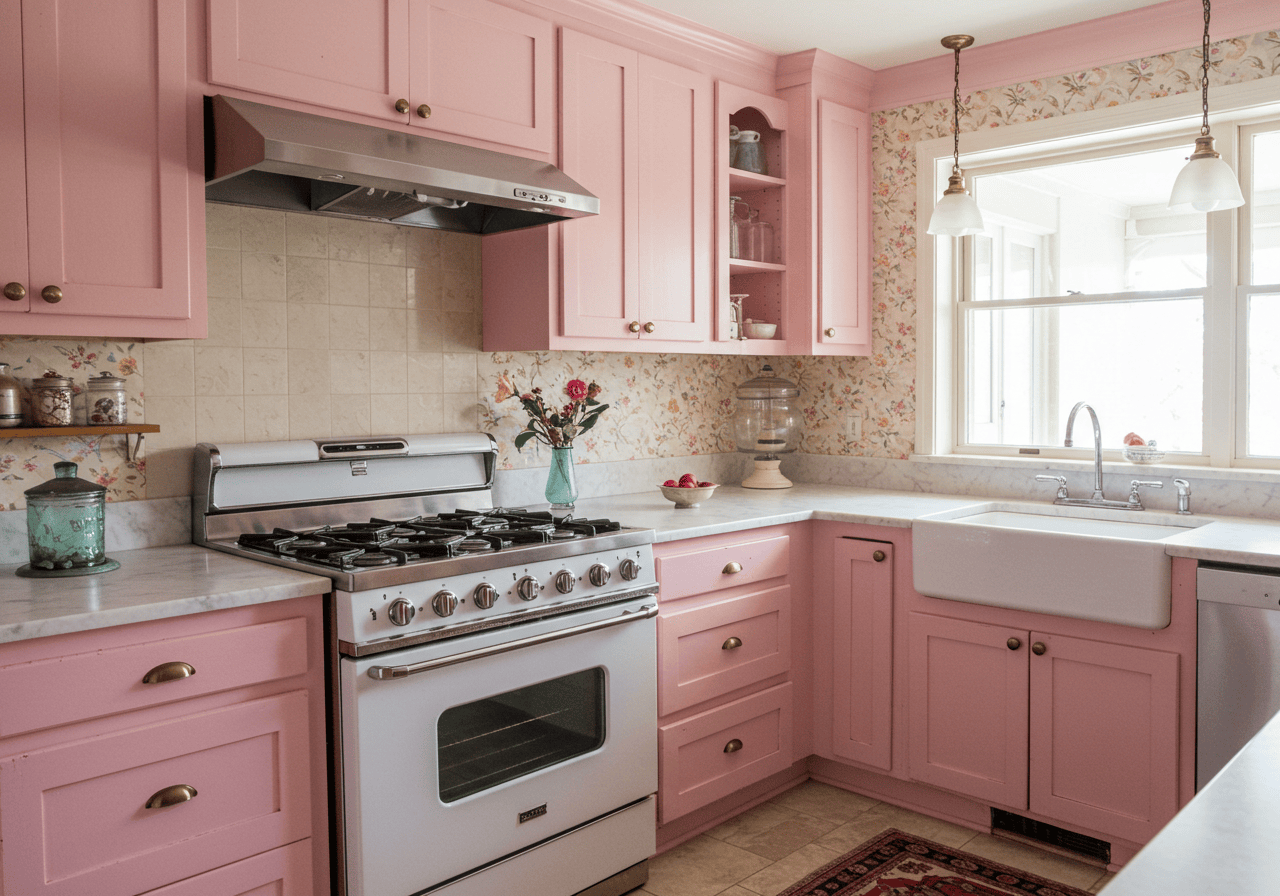
Start small. Don’t paint the walls neon pink immediately. Try a bold rug or colorful velvet curtains first. If you love the vibe of a pink kitchen but can’t renovate, use pink dining chairs as your accent.
5. How high should artwork be hung?
Lower than you think. The center of the artwork should be at eye level (about 57-60 inches from the floor). In a dining room where people are sitting, you can even go slightly lower so the art feels connected to the table, not floating near the ceiling.
Final Words
You do not need a millionaire’s bank account to have a home that feels luxurious. You need creativity, a bit of elbow grease, and the courage to ignore the “rules” that say everything must match.
Whether you are looking for general kitchen decorating ideas or specific dining hacks, remember that the best rooms are the ones that feel personal. So go grab that Allen wrench, pick a bold paint color, and start building a space where you actually want to eat dinner.