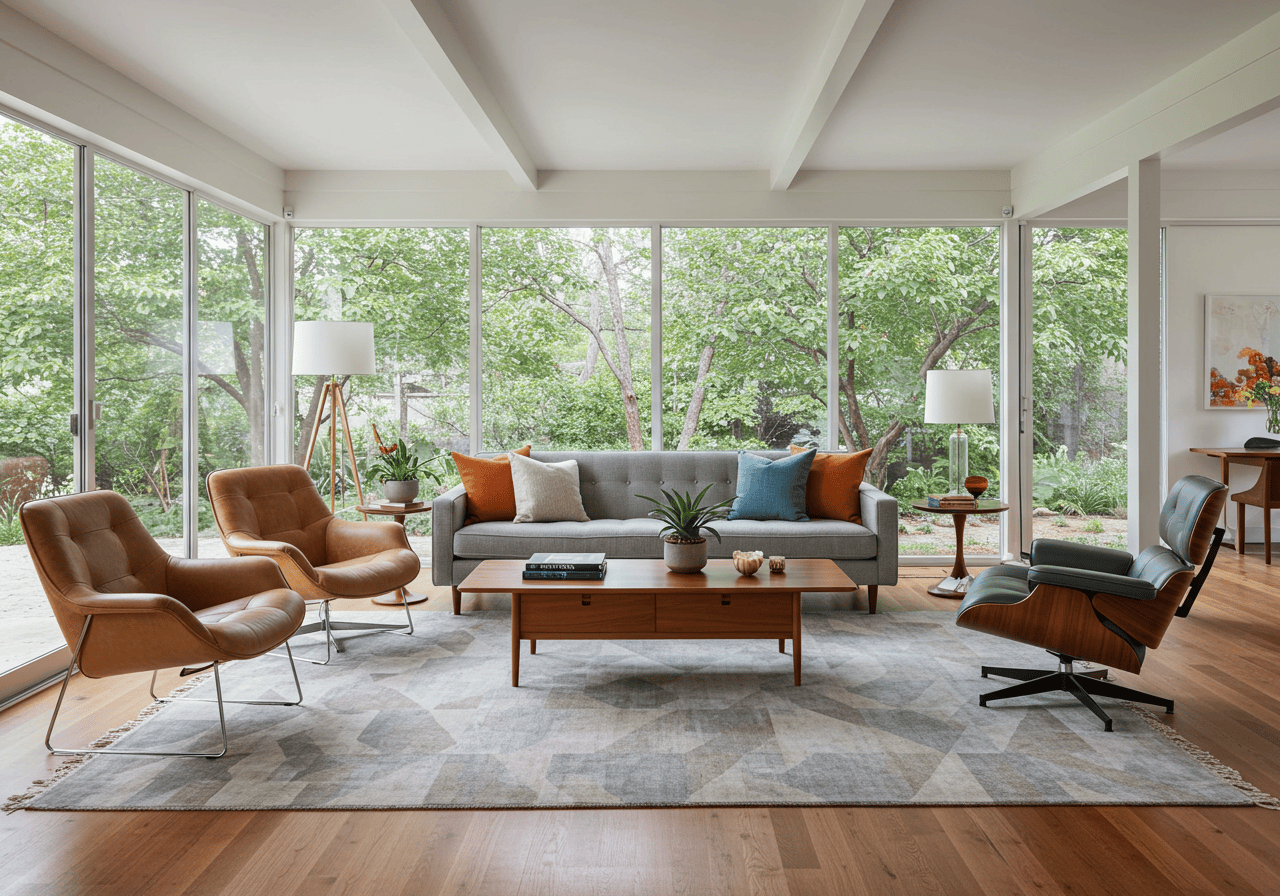

Feeling a bit cramped? A small living room isn’t a design sentence—it’s an opportunity to get creative! With a little design magic and a few clever tricks, you can transform your cozy corner into a stylish, functional, and surprisingly spacious-feeling haven. Forget the idea that you have to sacrifice style for square footage. It’s all about making smart choices that work with your space, not against it.
Ready to unlock your small living room’s true potential? We’ve gathered our favorite designer-approved small living room decor ideas to help you create a room that’s big on comfort and personality. Let’s dive in!
1. Embrace Vertical Space: Draw the Eye Upward
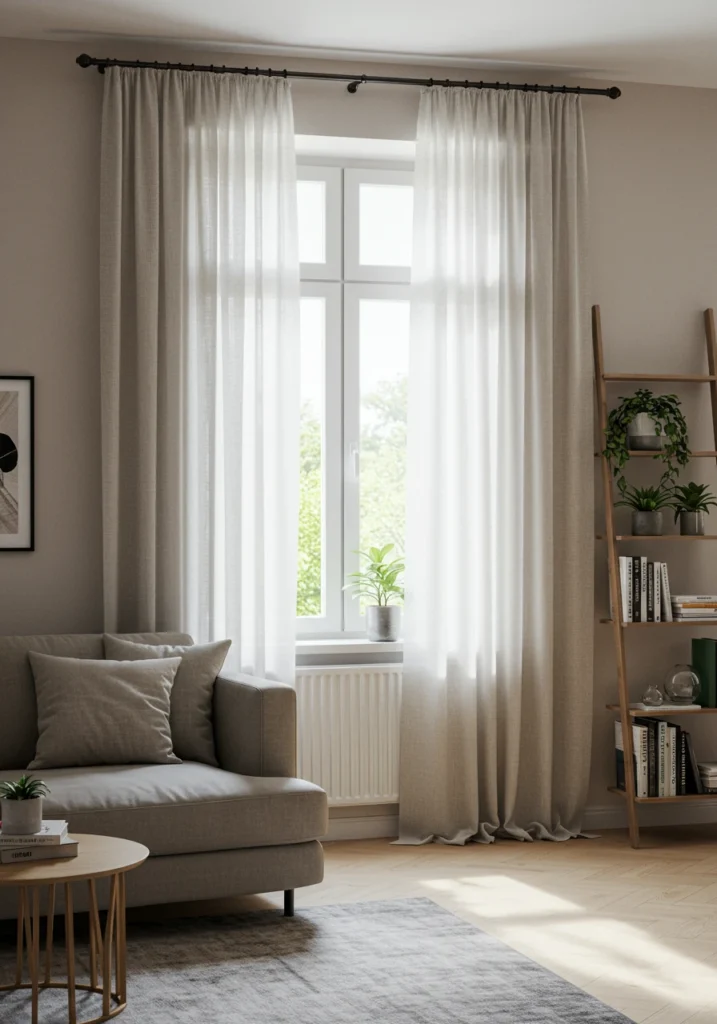
When floor space is at a premium, the only way to go is up! Thinking vertically is one of the oldest tricks in the book for a reason—it works. Drawing the eye toward the ceiling creates an illusion of height and openness, making the entire room feel grander.
How do you do it? It’s easier than you think.
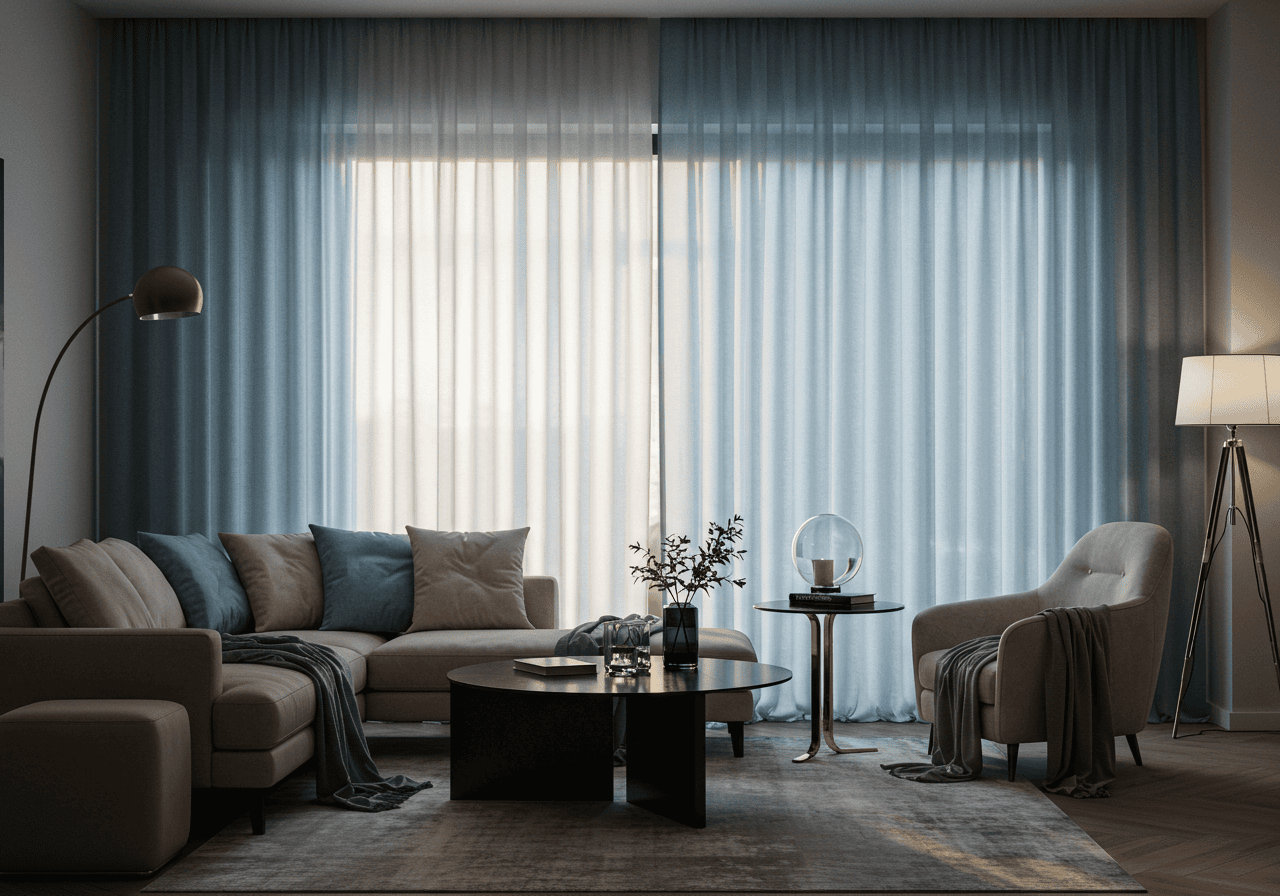
- Hang Curtains High and Wide: Mount your curtain rod several inches above the window frame and extend it wider than the frame on both sides. This makes your windows appear much larger. For a seamless look, choose floor-to-ceiling drapes that create a long, unbroken vertical line. Explore more curtains ideas for your living room to find the perfect style.
- Tall, Skinny Bookshelves: Instead of a wide, low bookcase, opt for a tall, narrow one. It provides storage without eating up precious floor space and naturally guides the gaze upward.
- A Vertical Gallery Wall: Arrange smaller art pieces in a vertical column instead of a horizontal cluster. This creates a sophisticated focal point and enhances the room’s height.
2. The Genius of ‘Floating’ Furniture
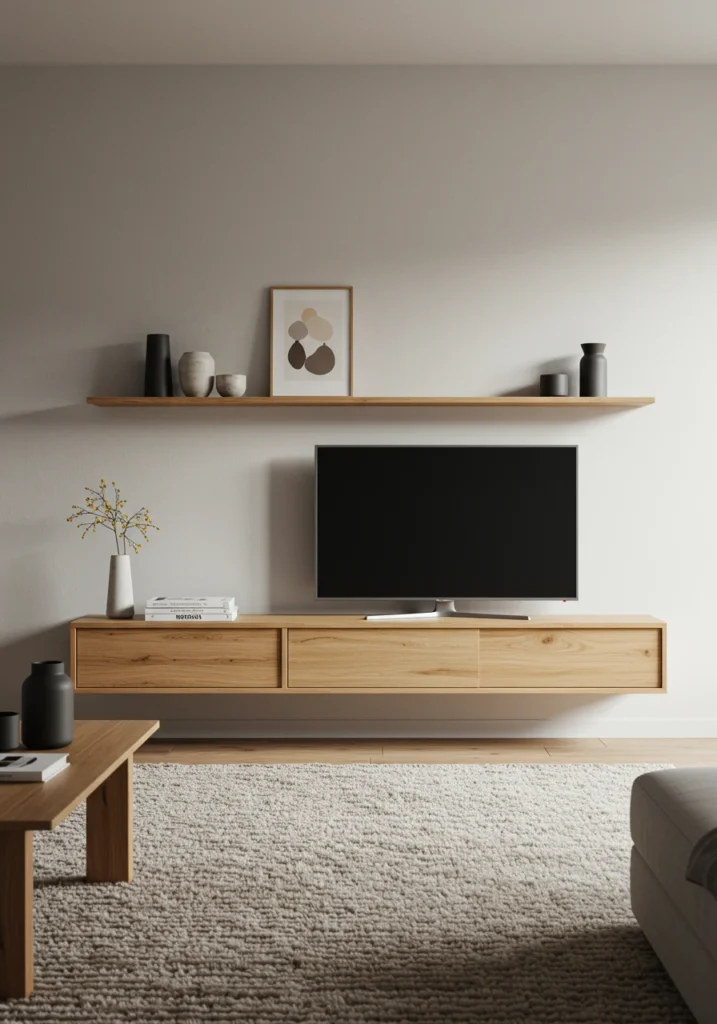
One of the best ways to create a sense of spaciousness is to see more of the floor. When furniture sits directly on the ground, it can feel heavy and blocky. Floating furniture, or pieces that are wall-mounted, gives your decor a lighter-than-air feel and frees up valuable floor space.
This is a key principle in modern design that works wonders in compact living rooms.
- Wall-Mounted Media Console: A floating TV stand keeps your entertainment essentials organized without the bulk of a traditional console. The open space underneath makes cleaning a breeze and creates an uncluttered look.
- Floating Shelves: Use them for books, decor, or even as a mini side table next to an armchair. They offer storage and display space without a heavy footprint.
- Wall-Mounted Desk: Need a small workspace? A fold-down or simple floating desk can serve its purpose beautifully and feel almost invisible when not in use. This look is perfect for a contemporary living room vibe.
3. Think in Curves, Not Corners
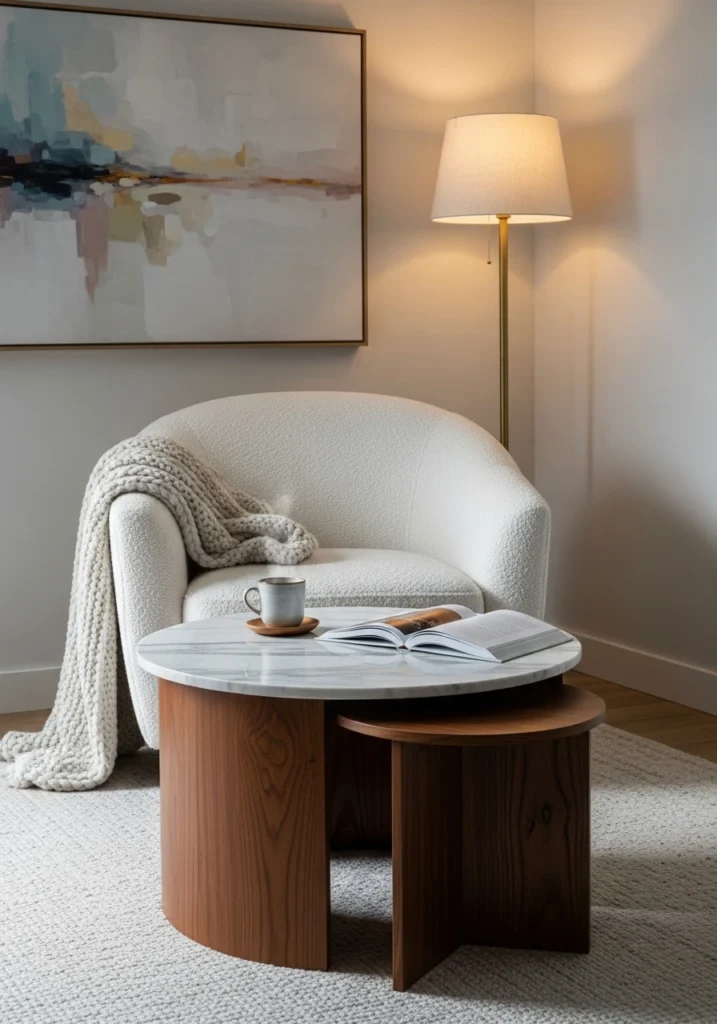
Sharp angles and boxy furniture can make a small room feel constricted. Introducing curved silhouettes is a fantastic way to soften the space and improve the visual flow. Rounded edges are gentler on the eye and can make navigating a tight room much easier—no more bruised shins!
From a statement sofa to smaller accent pieces, curves add a touch of organic elegance and make a room feel more welcoming and dynamic.
- Curved Sofas or Sectionals: A sofa with a gentle curve can feel incredibly luxe and actually open up a corner.
- Round Coffee Tables: A circular or oval coffee table is a classic choice for small spaces. It has no sharp corners to bump into and encourages easy movement around it.
- Scalloped Chairs and Arched Mirrors: Even small details matter. A chair with a rounded back or a mirror with an arched top can contribute to this softer, more fluid aesthetic, reminiscent of stylish mid-century modern living room design.
4. Master the Art of Multi-Functionality
In a small living room, every single piece of furniture should earn its keep. Choosing items that can perform double or even triple duty is the ultimate space-saving strategy. This isn’t about compromise; it’s about smart, efficient design that makes your life easier.
Look for hardworking heroes that blend style with incredible practicality. This is a foundational concept for all living room designs for small spaces.
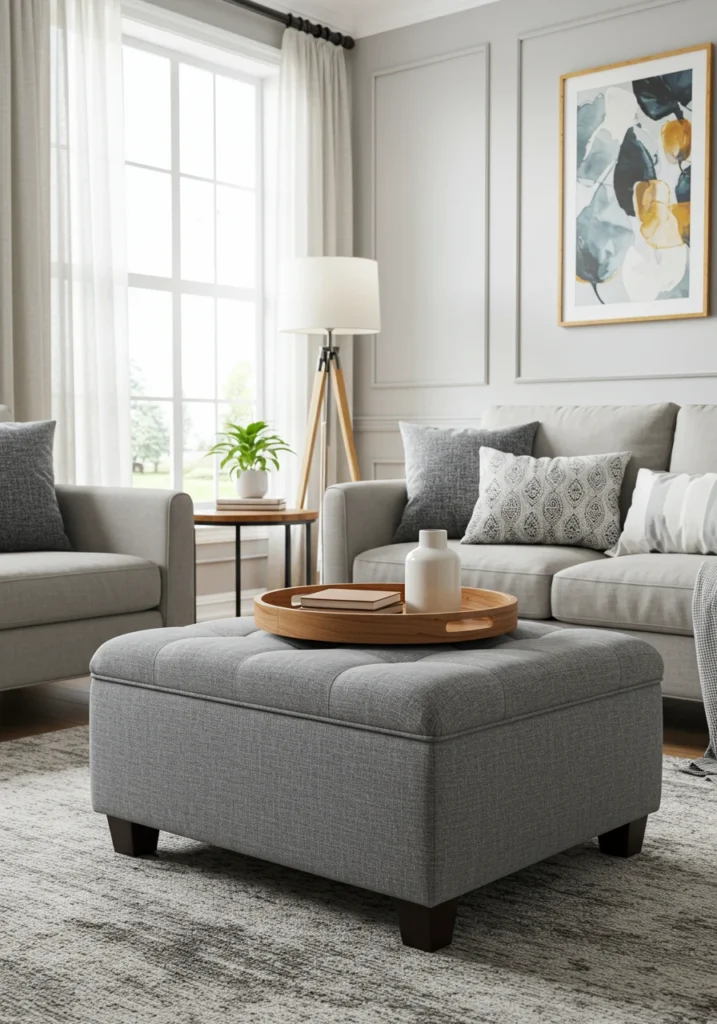
- Storage Ottoman: The undisputed champion of multi-functional furniture. It’s a footrest, extra seating for guests, a coffee table (just add a tray!), and a secret spot to hide blankets, magazines, or kids’ toys.
- Nesting Tables: Why have one table when you can have two or three that tuck neatly away? Pull them out when you need more surface area, and slide them back together when you’re done.
- Sofa Beds and Daybeds: If your living room sometimes doubles as a guest room, a stylish sofa bed or a chic daybed is a non-negotiable. Modern designs are a far cry from the clunky pull-outs of the past.
5. Go Big with One Statement Piece
This might sound counterintuitive, but filling a small room with lots of tiny furniture and decor can actually make it feel more cluttered and chaotic. A more effective approach is to go big and bold with one single statement piece.
Choosing one oversized item to be the star of the show creates a clear focal point, making the room feel more intentional and less busy. It’s about creating impact, not clutter.
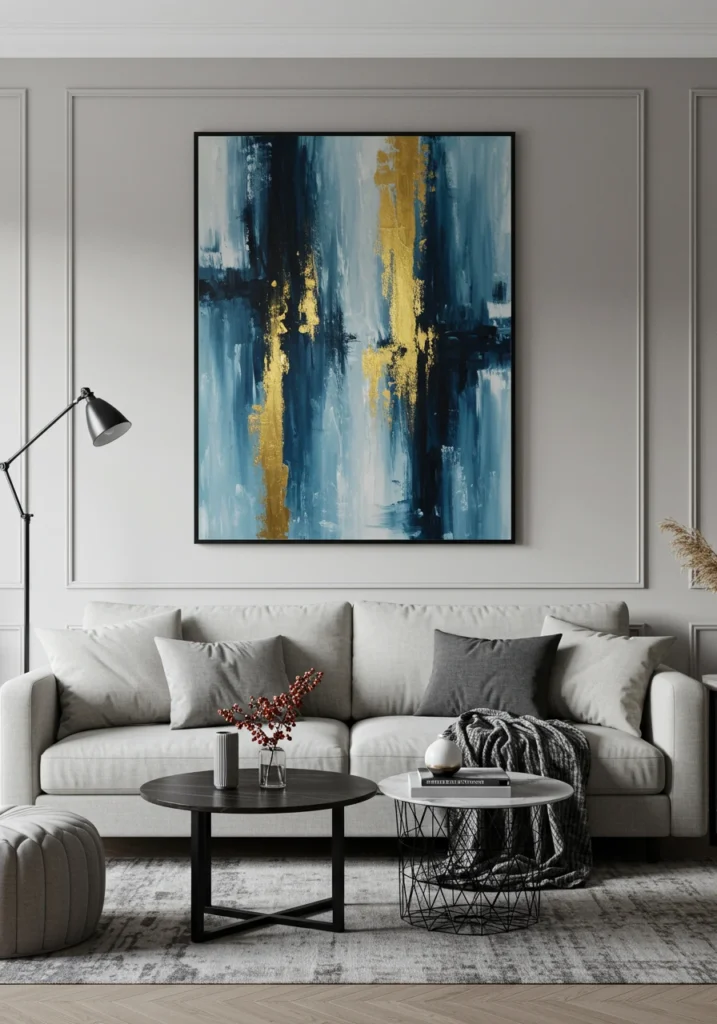
- An Oversized Piece of Art: A large-scale painting or a dramatic photograph hung on the main wall can create a powerful sense of depth and personality, making the wall itself seem to recede. This is a great way to cultivate an aesthetic living room.
- A Bold, Patterned Rug: A large rug can anchor the entire room and make it feel more cohesive. A vibrant pattern or a rich texture will draw the eye and add a huge dose of style.
- A Statement Mirror: A large, ornate mirror not only serves as a stunning decorative piece but also works wonders in bouncing light around the room, making it feel brighter and more open.
6. The Magic of Mirrors: Your Secret Weapon for Depth
It’s the oldest trick in the design handbook for a reason: mirrors are pure magic in a small space. They are essentially decorative windows that you can place anywhere. By reflecting light and the view, they create a brilliant illusion of depth, making any room feel instantly larger and more open.
The key is strategic placement.
- Opposite a Window: Place a large mirror on the wall opposite your main window. It will capture the natural light and outdoor scenery, doubling the brightness and creating a sense of expansiveness.
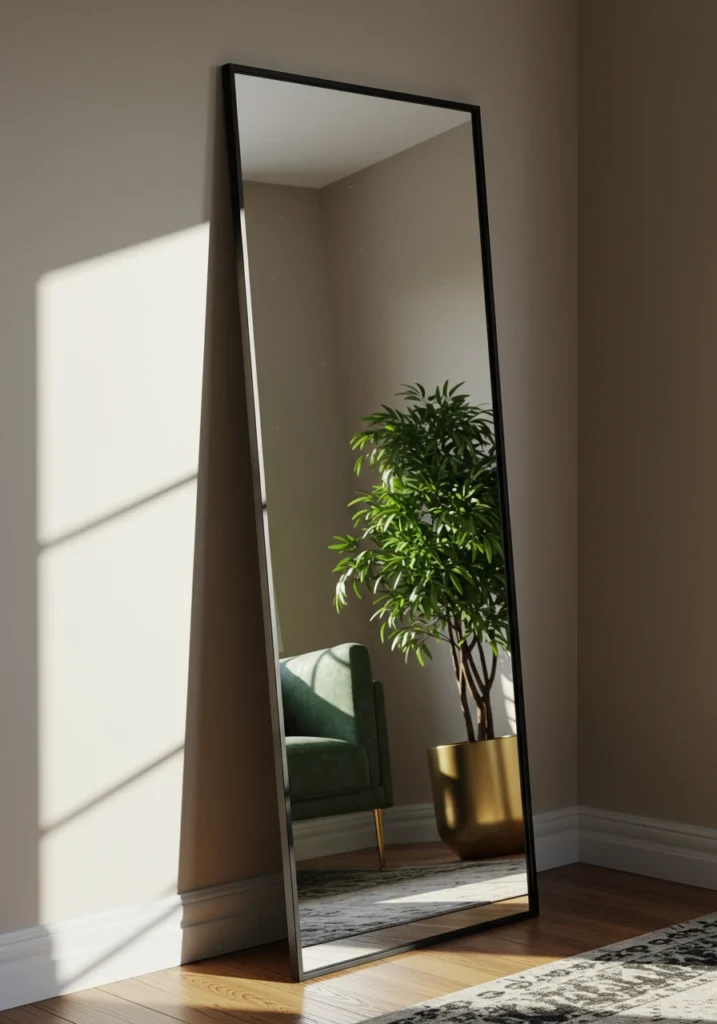
- A Leaning Floor Mirror: A full-length mirror leaned against a wall is effortlessly chic and a fantastic way to add vertical height. It draws the eye upward and reflects a large portion of the room.
- As a Focal Point: A mirror with a beautiful, sculptural frame can act as a piece of art above a console table or a fireplace, adding a touch of glamour. This is a hallmark of stunning Art Deco living room design.
7. Use a Monochromatic Color Palette
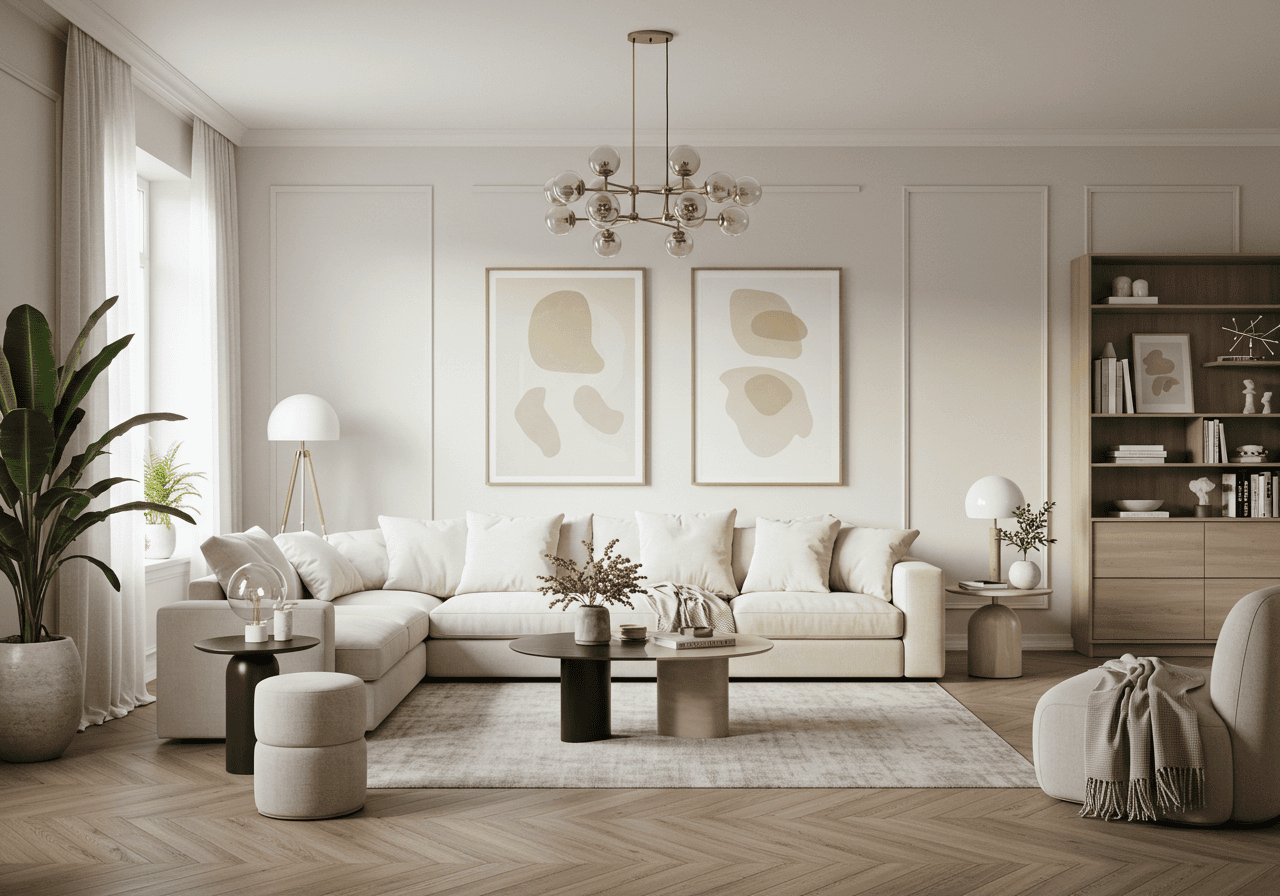
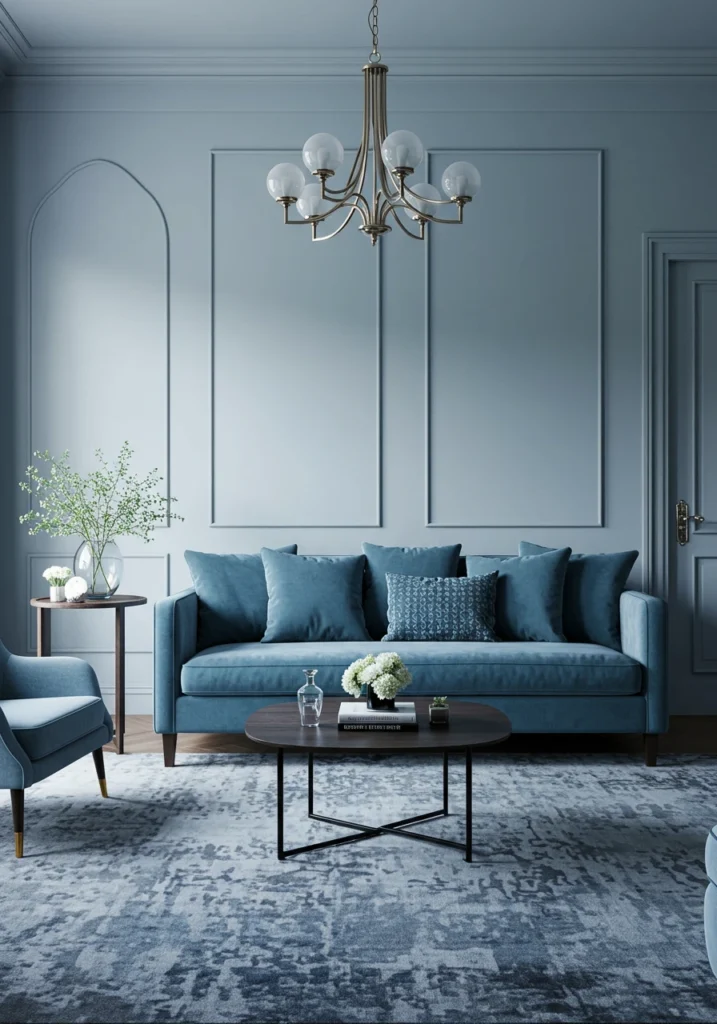
A cohesive color palette is calming and can make a room feel less cluttered. A monochromatic scheme—using different tones, shades, and tints of a single color—is particularly effective. It creates a seamless, flowing space where the eye isn’t jarringly stopped by contrasting colors, which can visually chop up a room.
But this doesn’t mean your room has to be boring!
- Vary the Textures: To prevent a single-color room from feeling flat, introduce a rich variety of textures. Think a velvet sofa, a chunky knit throw, linen curtains, and a smooth ceramic vase, all in shades of the same color.
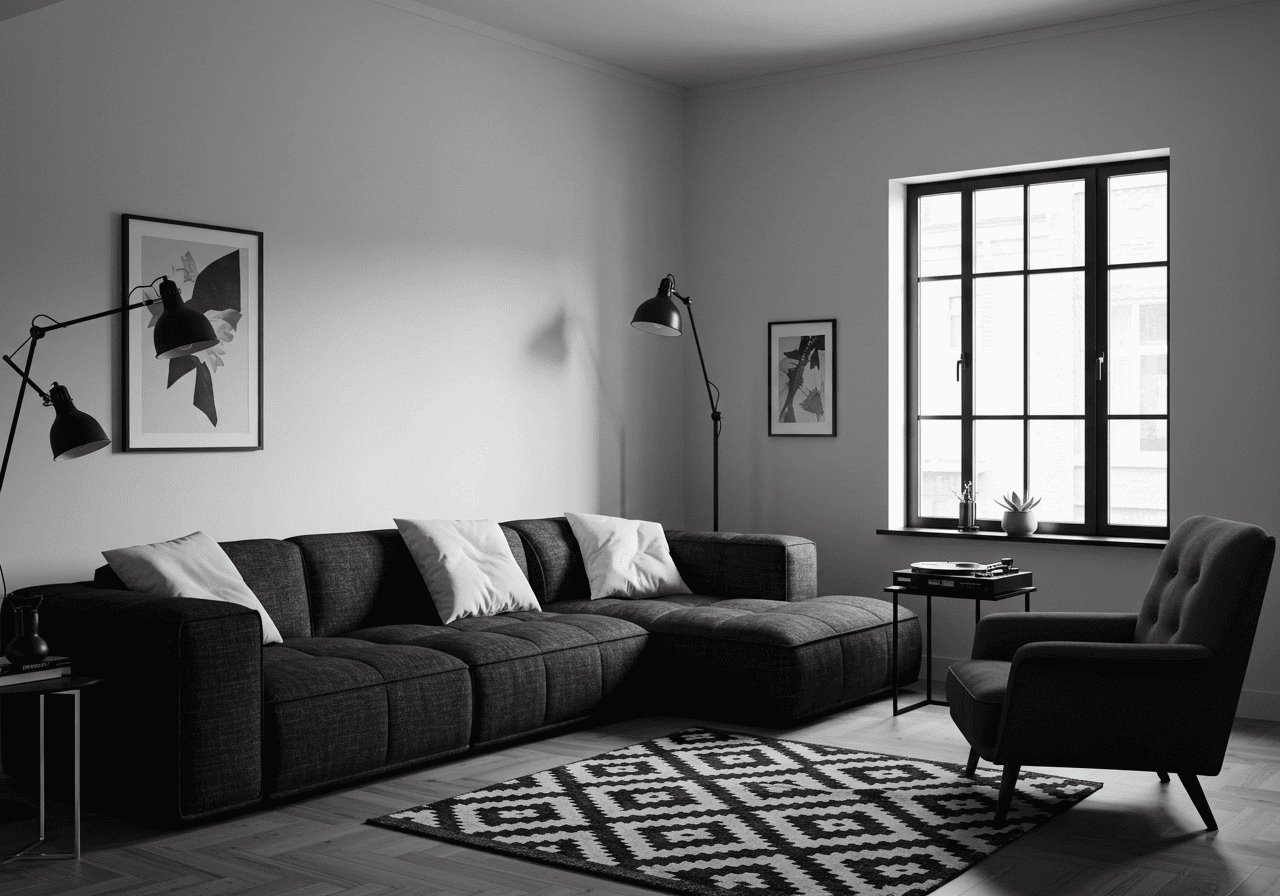
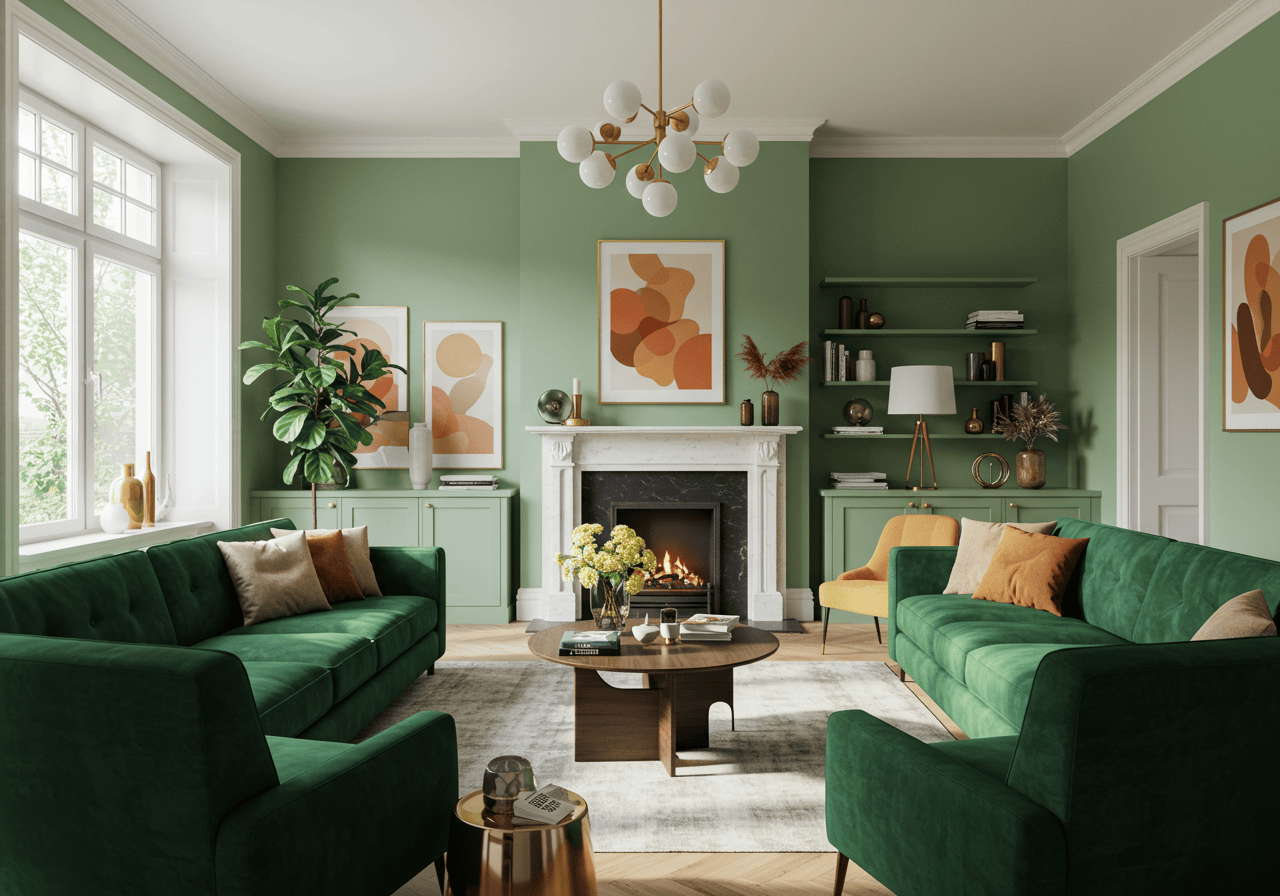
- Go Light or Go Bold: A palette of off-whites, soft beiges, or light greys is a classic way to make a space feel airy. However, a deep, jewel-toned monochromatic room (like navy or emerald) can feel incredibly cozy and sophisticated, blurring the corners to create an illusion of infinite space. A black and white living room is the ultimate high-contrast take on this concept.
8. Layer Your Lighting for Ambiance and Depth
Never rely on a single, harsh overhead light! It casts shadows in the corners and can make a room feel flat and uninviting. The secret to a well-designed space, big or small, is layered lighting. This means using a mix of different light sources at different heights to create a warm, functional, and dimensional atmosphere.
Aim for at least three points of light:
- Ambient Lighting: This is your overall light source, like a stylish flush-mount ceiling fixture or a small chandelier.
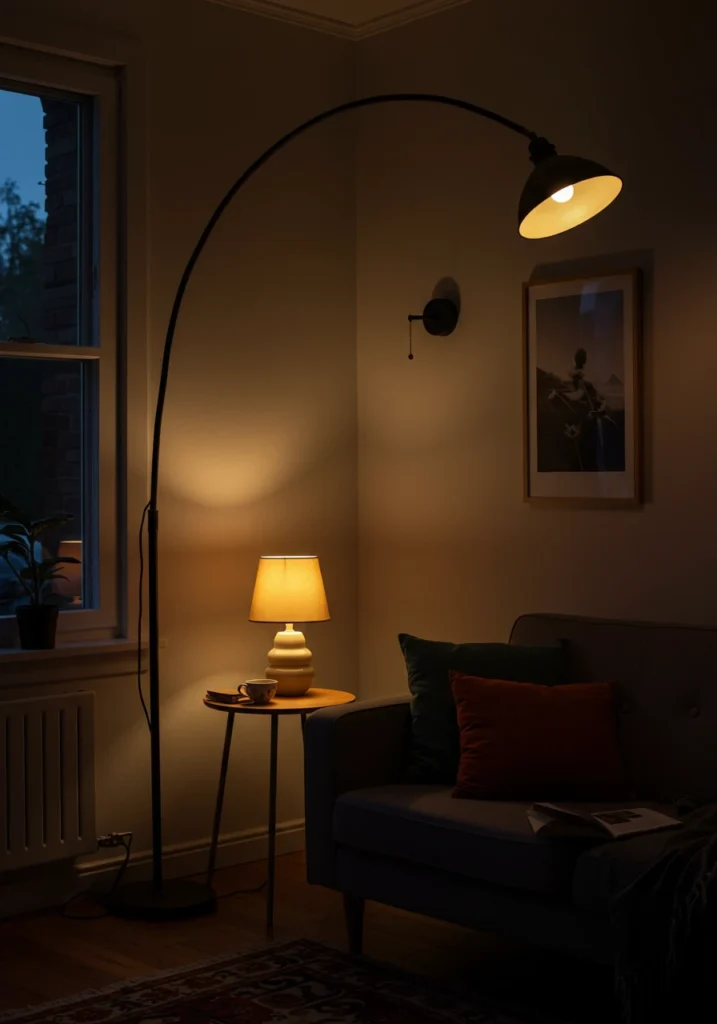
- Task Lighting: This is focused light for specific activities, such as a floor lamp next to an armchair for reading or a small lamp on a side table.
- Accent Lighting: This is used to highlight features, like a picture light over a piece of art or an uplight behind a plant. Wall sconces are fantastic space-savers that add a beautiful, soft glow.
9. Give Your Furniture Legs to Stand On
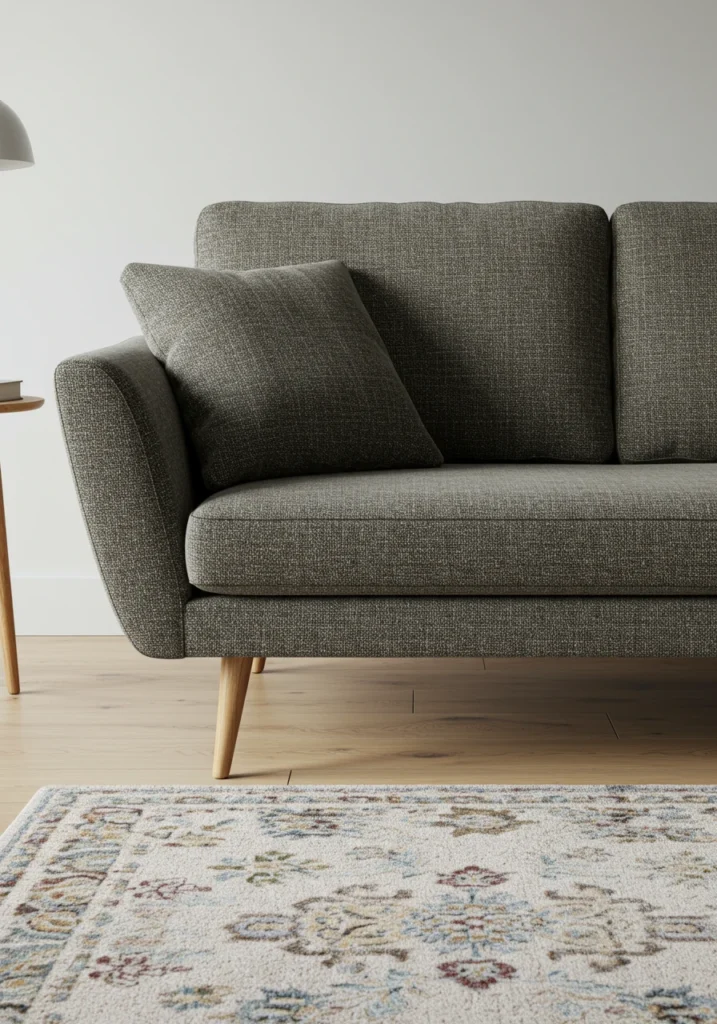
This is a game-changing tip for small spaces. Furniture that sits directly on the floor can look heavy and visually “eat” up space. By choosing pieces with raised, visible legs—what designers call “leggy” furniture—you allow light and air to flow underneath.
Seeing the floor continue beneath the sofa or armchair creates an illusion of more space. It makes the furniture feel lighter and less imposing.
- Sofas and Armchairs: Look for styles with tapered wooden or slender metal legs.
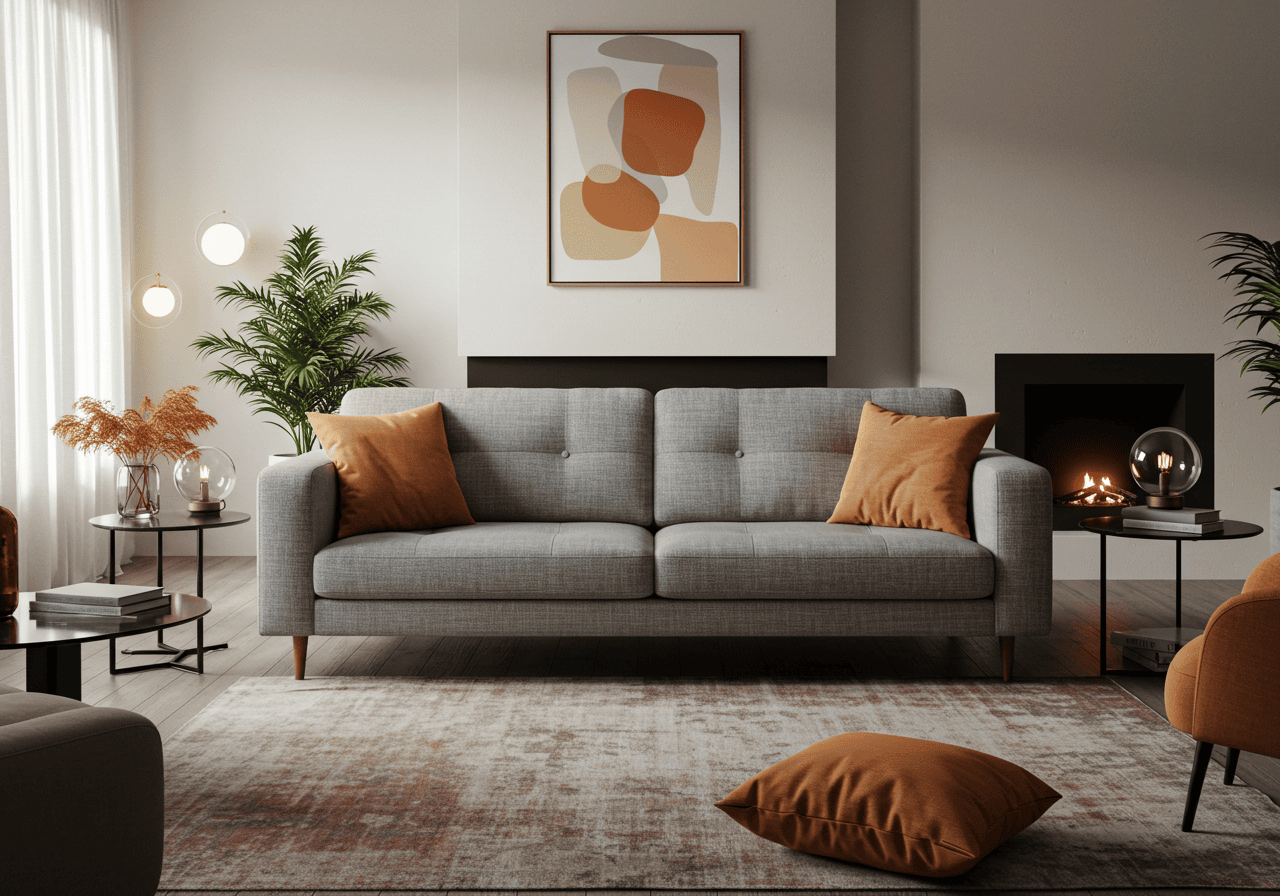
- Media Consoles and Side Tables: A console on tall legs feels much airier than a blocky, solid unit. This is a simple switch that makes a huge impact. Many modern designs, like a stylish grey sofa for your living room, incorporate this feature beautifully.
10. The “Invisible” Furniture Trick: Lucite & Glass
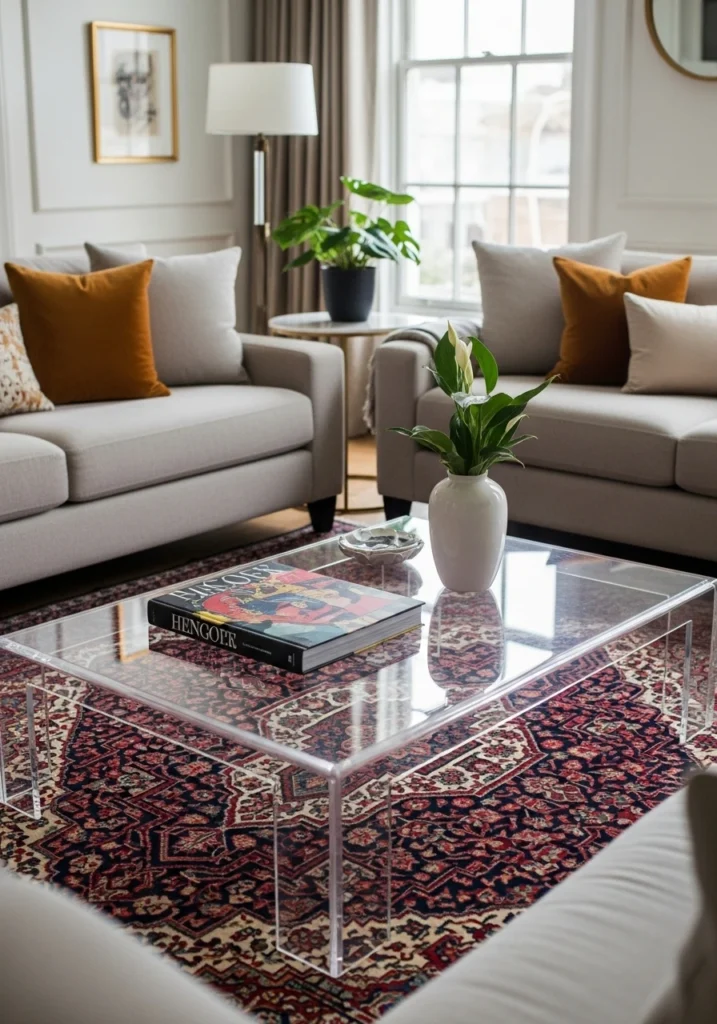
Want a coffee table that doesn’t take up any visual real estate? Meet your new best friends: lucite, acrylic, and glass. Transparent furniture is a brilliant solution for small living rooms because it’s functional without adding visual weight.
These pieces blend seamlessly into any decor style, allowing the beauty of your rug or flooring to show through. It’s the ultimate minimalist move that feels both modern and a little bit magical.
- Acrylic “Waterfall” Coffee Table: This is a classic choice, offering a clean, modern surface that almost disappears.
- Glass and Metal Side Tables: A small table with a glass top and a thin metal frame provides a spot for your drink without cluttering the view. This can instantly elevate the room, giving it a touch of that luxury living room feel.
11. Create Cohesion with a Unifying Style
When your space is small, a jumble of competing styles can feel chaotic. Choosing a single, cohesive design theme helps to create a sense of calm and intention. A unified look ensures that all your pieces work together in harmony, resulting in a space that feels curated and serene rather than cramped and busy.
Pick a style that resonates with you and stick to its core principles.
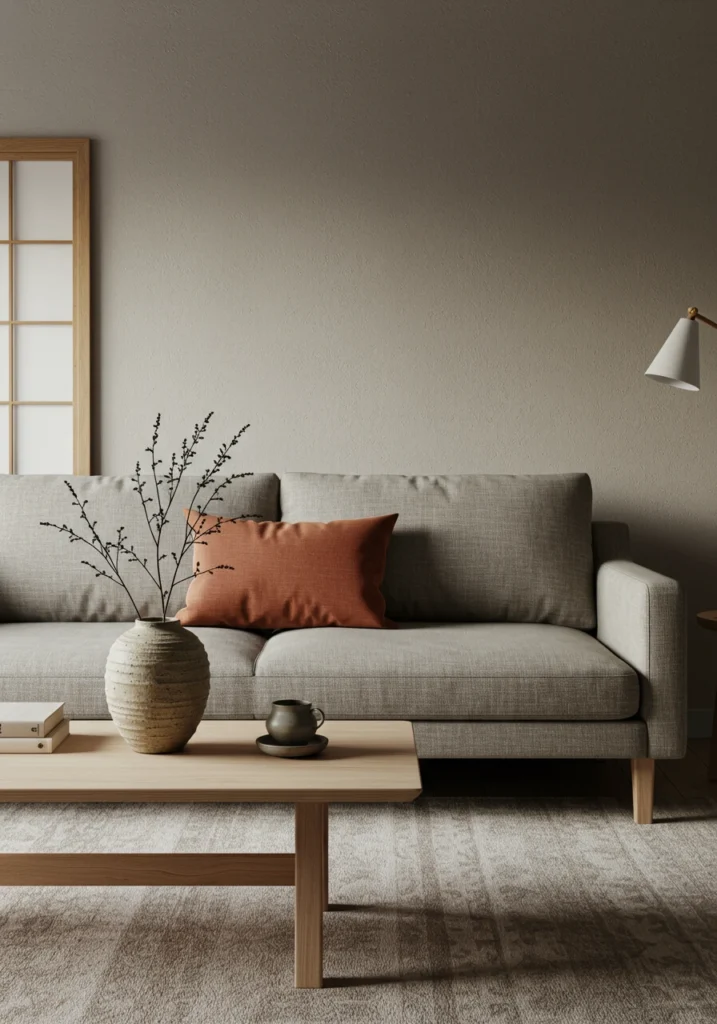
- Scandinavian: Focuses on light colors, natural wood, clean lines, and a lack of clutter for a bright and airy feel. A Scandinavian living room is a perfect blueprint for small-space success.
- Japandi: A blend of Japanese minimalism and Scandinavian function, this style emphasizes natural materials, neutral colors, and high-quality craftsmanship.
- Rustic Modern: Combines the warmth of natural, raw materials with clean, contemporary lines for a cozy yet uncluttered look.
12. Turn Awkward Corners into Charming Nooks
Every small room seems to have one: that awkward, empty corner that feels impossible to decorate. Instead of letting it go to waste, transform it into a functional and charming destination. Creating a designated “nook” not only utilizes every square inch but also adds layers and personality to your room.
This is your chance to carve out a little moment just for you.
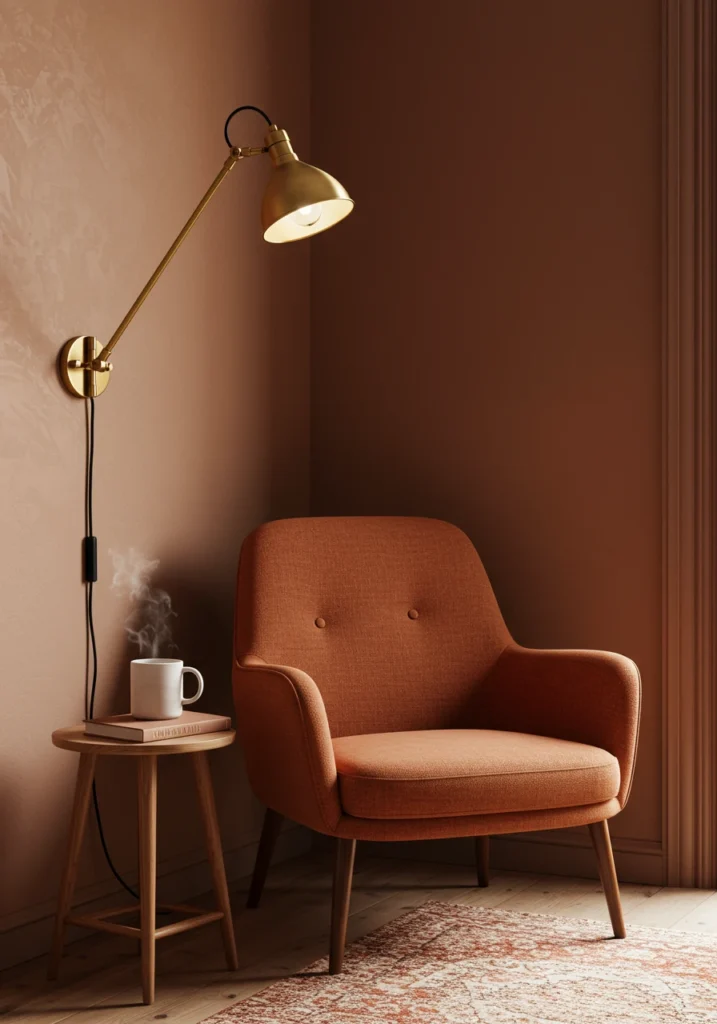
- The Reading Nook: The most classic option. All you need is a comfortable armchair (it doesn’t have to be huge!), a small side table or a stack of books, and a dedicated light source like a slim floor lamp or a wall sconce.
- The Green Corner: Group a few plants of varying heights on stylish stands to create a mini indoor garden that adds life and fresh air.
- The Music Spot: Have a guitar or a record player? Designate a corner to display and enjoy your hobby.
13. Choose a Sofa with a Slim Profile
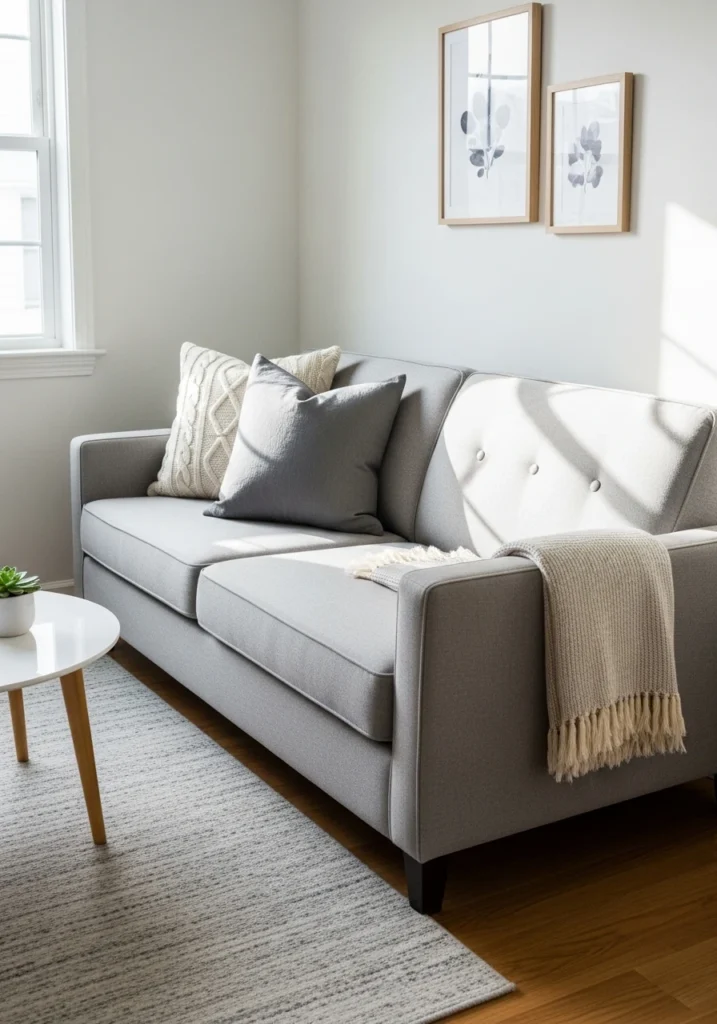
The sofa is often the largest item in the living room, so its scale and design are critical. A massive, overstuffed sofa with huge rolled arms will devour a small room. Instead, look for a sofa with a sleek, slim profile.
What does that mean?
- Thin or Track Arms: Boxy track arms or elegantly thin arms take up far less space than puffy, rounded ones.
- Tight Back: A sofa without bulky back cushions (a “tight back”) looks cleaner and has a smaller footprint.
- Consider a Loveseat or Apartment Sofa: These are specifically designed with smaller proportions to fit into compact spaces without sacrificing comfort or style. A sleek, well-chosen white couch in a living room can feel particularly light and airy.
14. Get in Line: The Strategic Power of Stripes
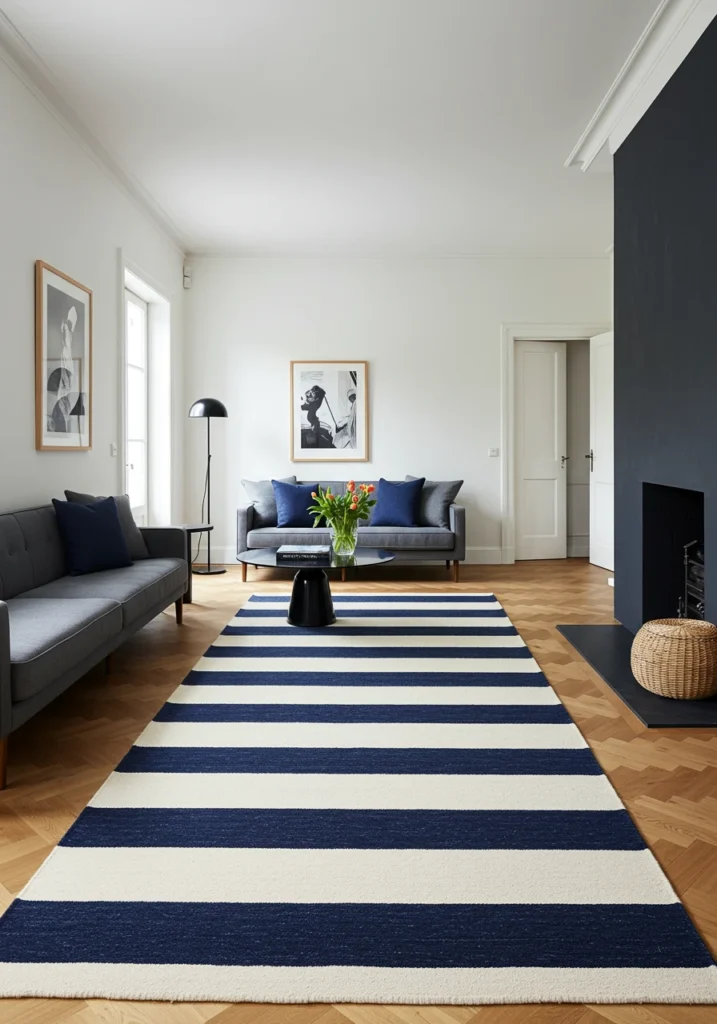
Here’s a fun trick borrowed from the world of fashion: stripes can create powerful optical illusions. Just as vertical stripes can make someone appear taller, they can do the same for your room.
You can use stripes to visually stretch your space in whichever direction it needs.
- For Added Height: Use wallpaper with a subtle vertical stripe to draw the eye upward, making your ceiling feel higher. Floor-to-ceiling curtains with a vertical stripe pattern have the same powerful effect.
- For Added Width: If your room is narrow, a rug with bold horizontal stripes will make it feel wider. The lines lead the eye from side to side, visually pushing the walls apart. This is a brilliant trick for a beach modern coastal living room where stripes are a natural fit.
15. Declutter and Curate with Intention
This might be the most important tip of all. In a small space, clutter is your enemy. Nothing makes a room feel smaller than having too much stuff out in the open. The solution isn’t to become a stark minimalist (unless you want to!), but to be intentional about what you display.
Practice the art of curating.
- One In, One Out: For every new decorative item you bring home, consider donating or storing one you already have.
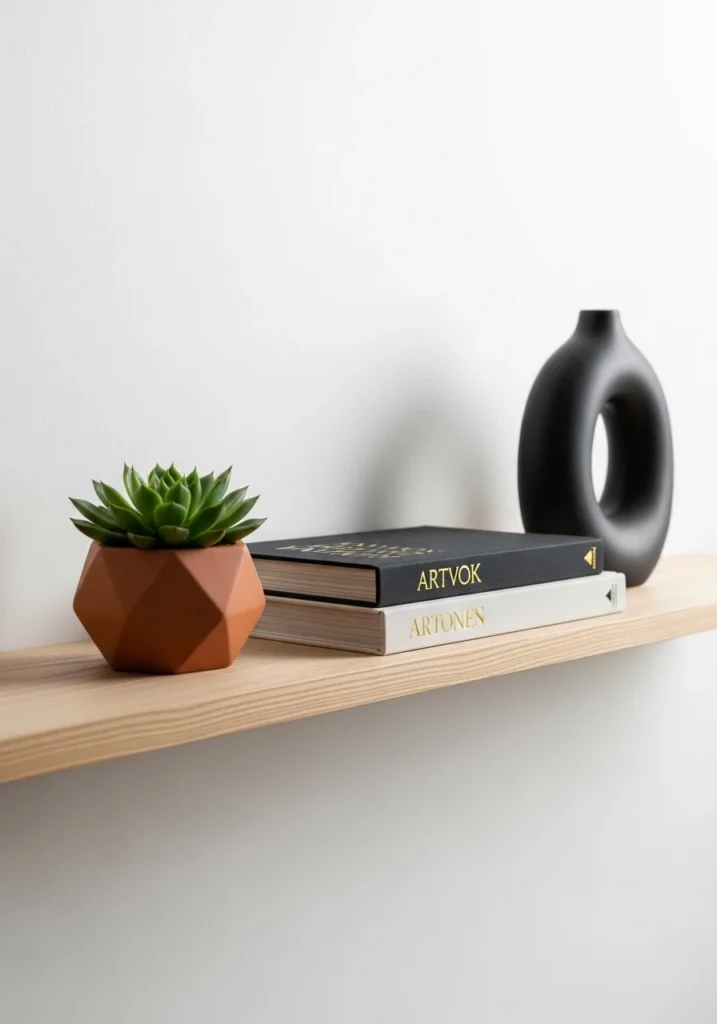
- Use “Negative Space”: Don’t cover every surface. Leave some breathing room on your shelves, coffee table, and walls. This negative space is restful for the eye and makes the items you do display feel more special.
- Smart Storage is Your Friend: Use decorative baskets and boxes to corral essentials like remotes, coasters, and magazines. This keeps surfaces clear while keeping necessities within reach. A clear space is fundamental to good Feng Shui in the living room.
16. Rug Size Matters More Than You Think
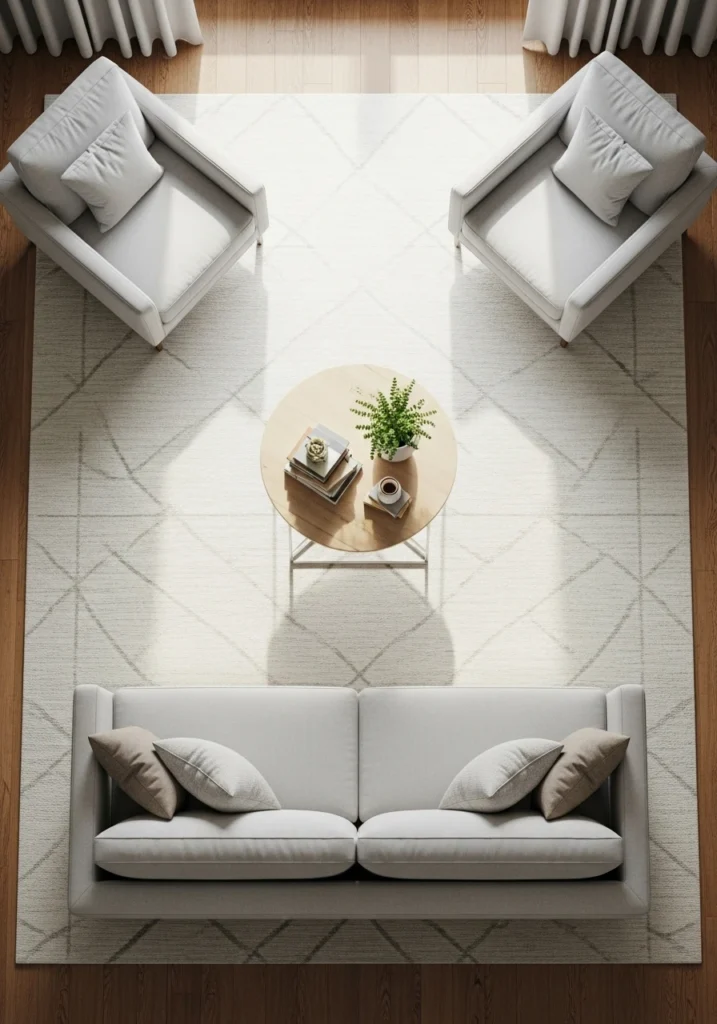
This is one of the most common mistakes in living room design: choosing a rug that’s too small. A tiny “postage stamp” rug floating in the middle of your floor will only make your room feel smaller and disjointed. The golden rule? Go as big as you can!
A larger rug that can fit at least the front legs of your main furniture pieces (your sofa and armchairs) will anchor the space. It creates a unified foundation that pulls everything together and makes the entire area feel more expansive and cohesive.
- The Front-Legs Rule: At a minimum, the front two legs of your sofa and any accent chairs should sit comfortably on the rug.
- Define the Zone: Use the rug to define your main conversation area. This visual boundary makes the room feel organized and intentional. This technique is key in a transitional living room where flow is paramount.
17. Use Paint to Redefine Your Boundaries
Paint is your most affordable and impactful tool for transformation. With a few clever paint tricks, you can completely alter the perception of your room’s size and shape, creating an illusion of height and space where none existed before.
Forget just painting the four walls—think of the entire room as your canvas.
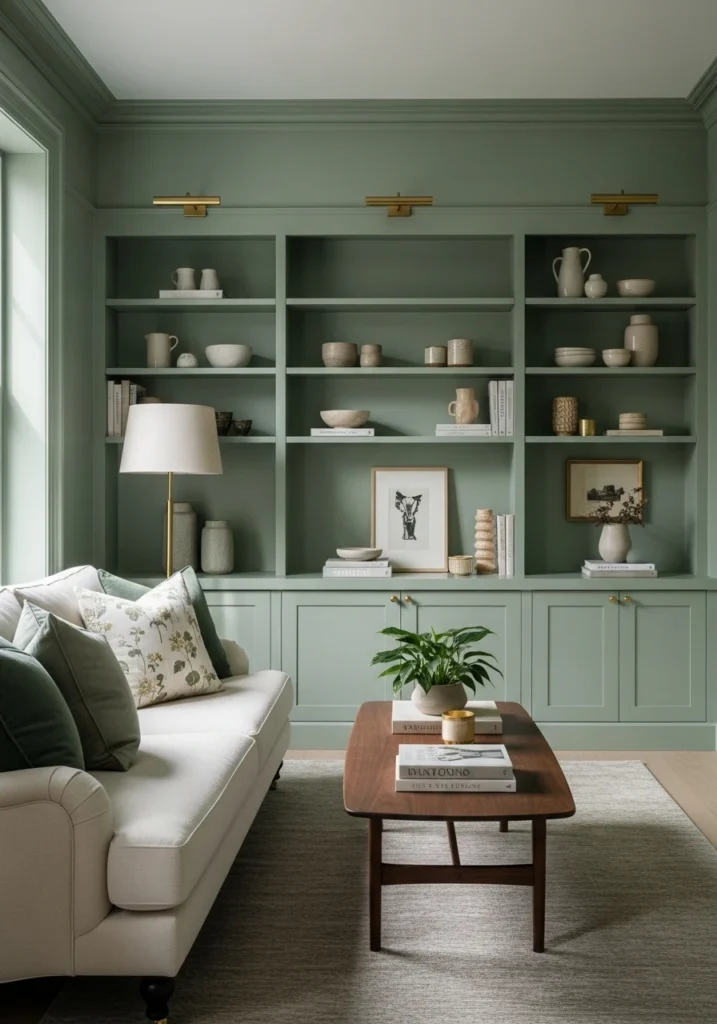
- Blur the Lines: Paint your walls, skirting boards, and window frames all in the same color. This creates an unbroken visual line that makes the walls feel taller and the room feel bigger.
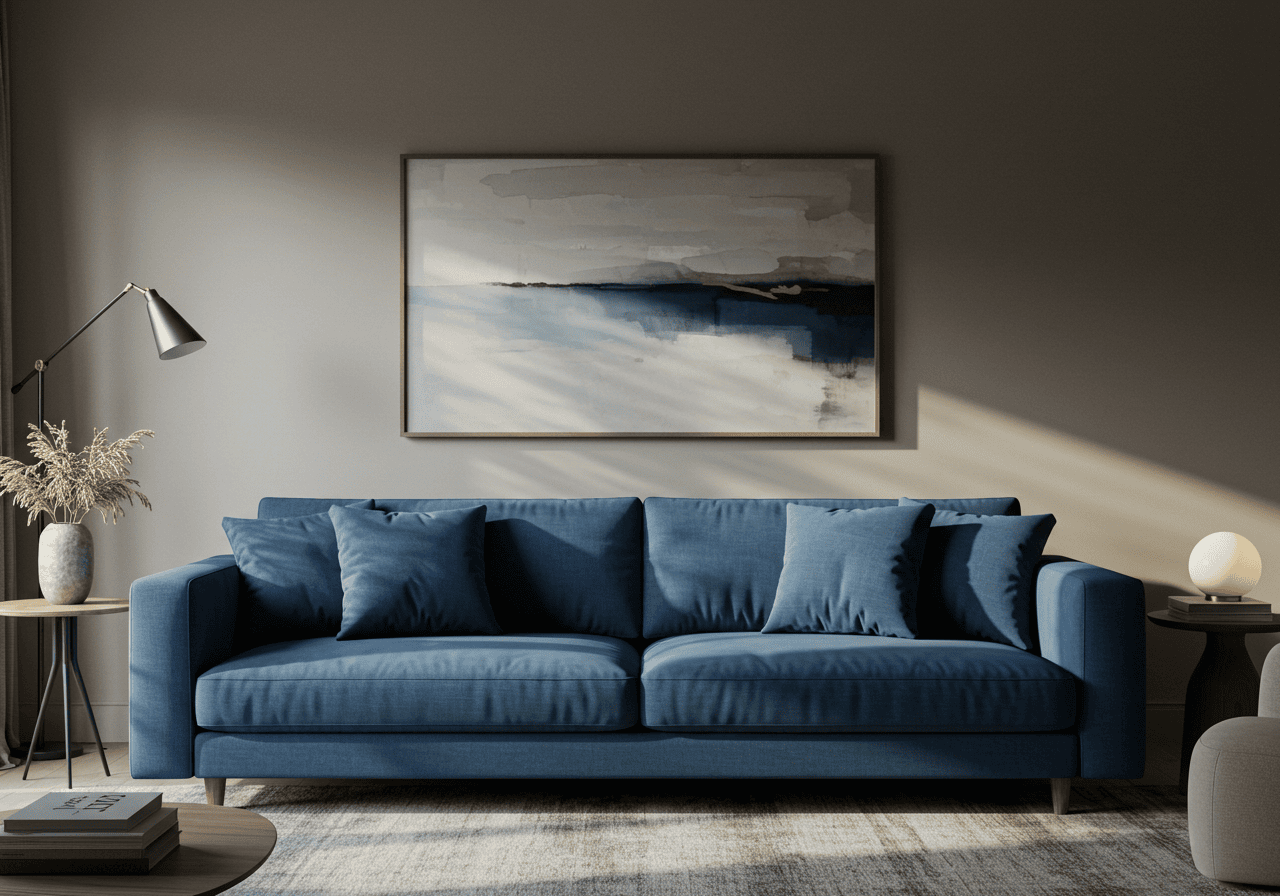
- Create a Jewel Box: Lean into the coziness by painting the walls and ceiling a deep, moody color like charcoal grey or navy blue. This can blur the room’s edges, creating a surprisingly intimate and expansive feeling. A stunning blue couch living room can be the perfect centerpiece for this look.
- Add a Glossy Ceiling: A ceiling painted with a high-gloss or semi-gloss finish will reflect light beautifully, making it feel higher and the whole room brighter.
18. Embrace Creative Asymmetry
While symmetry can create a sense of formal balance, it can sometimes feel rigid and predictable in a compact space. Asymmetrical arrangements, on the other hand, feel more dynamic, relaxed, and visually interesting. They encourage your eye to move around the room, creating a sense of energy and flow.
This is about creating visual balance, not perfect mirroring.
- Vary Your Side Tables: Instead of two identical end tables flanking your sofa, try one round wooden table on one side and a slim, metallic C-table on the other.
- Balance with Visual Weight: Balance a larger item (like your sofa) with a collection of smaller items on the opposite side (like two smaller armchairs or an armchair and a large plant). This is a hallmark of a beautifully curated eclectic living room.
19. Command Attention with Strategic Color Pops
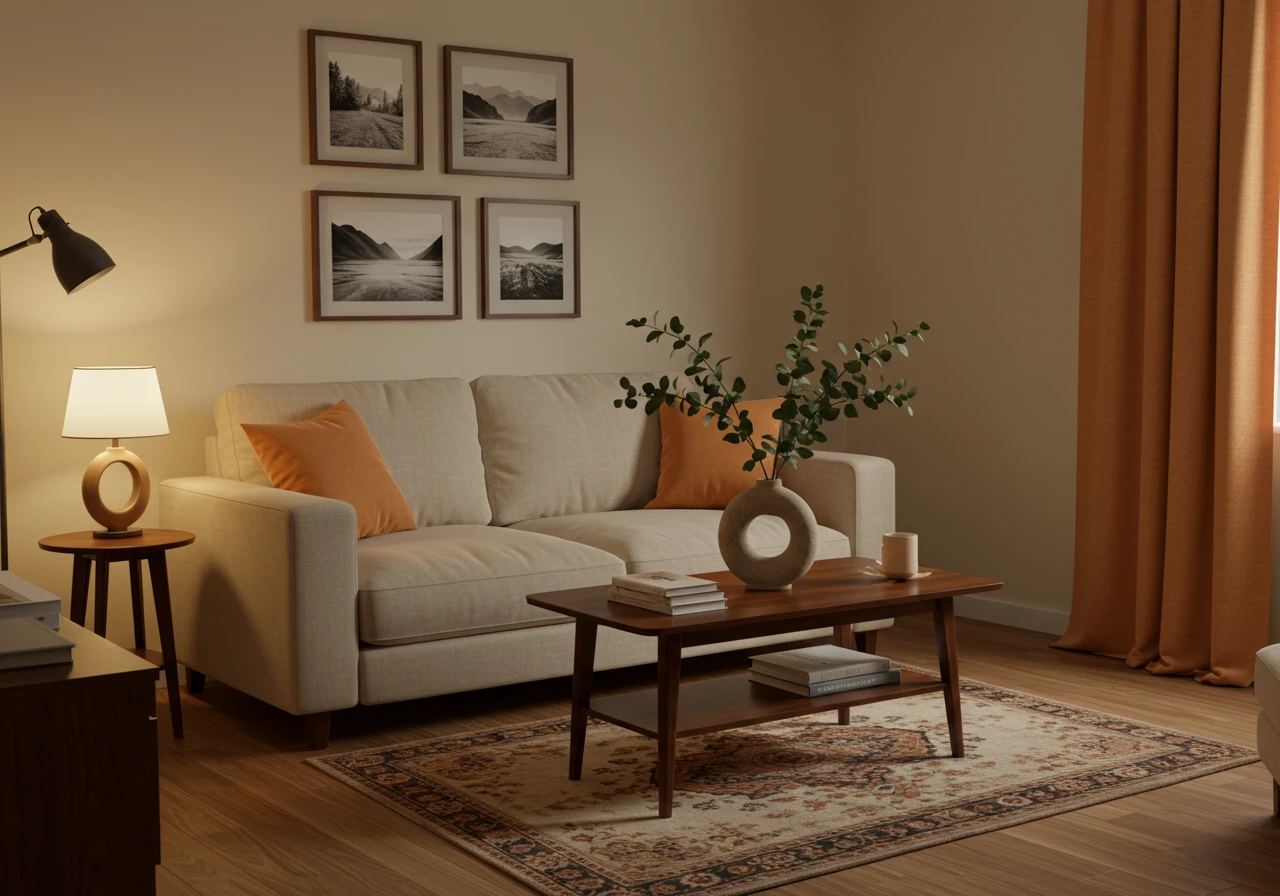
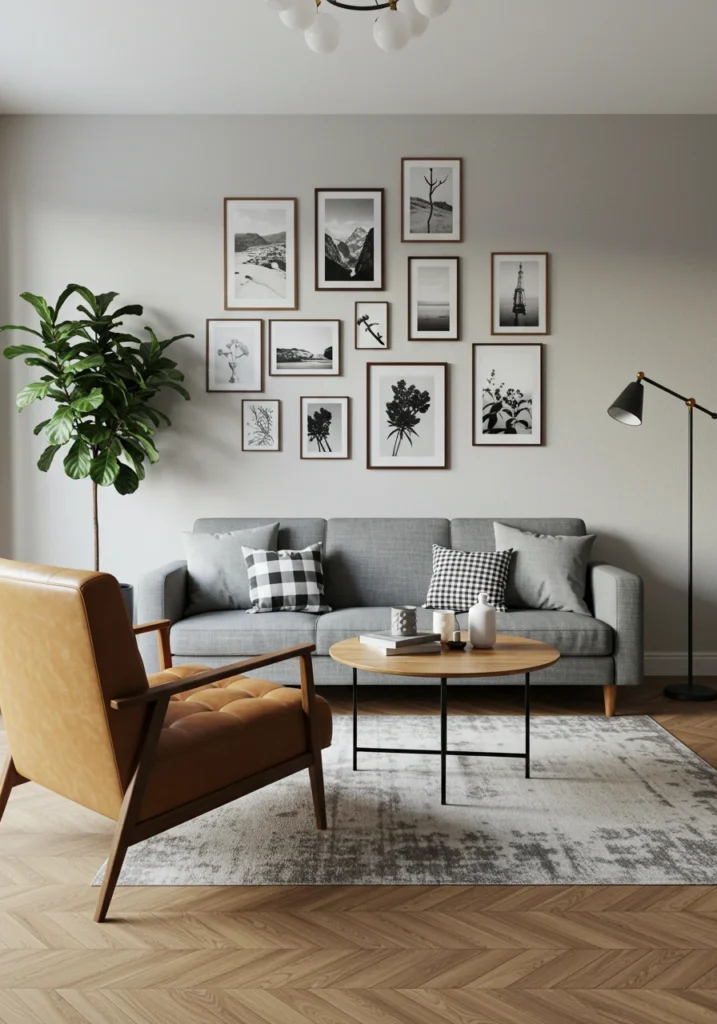
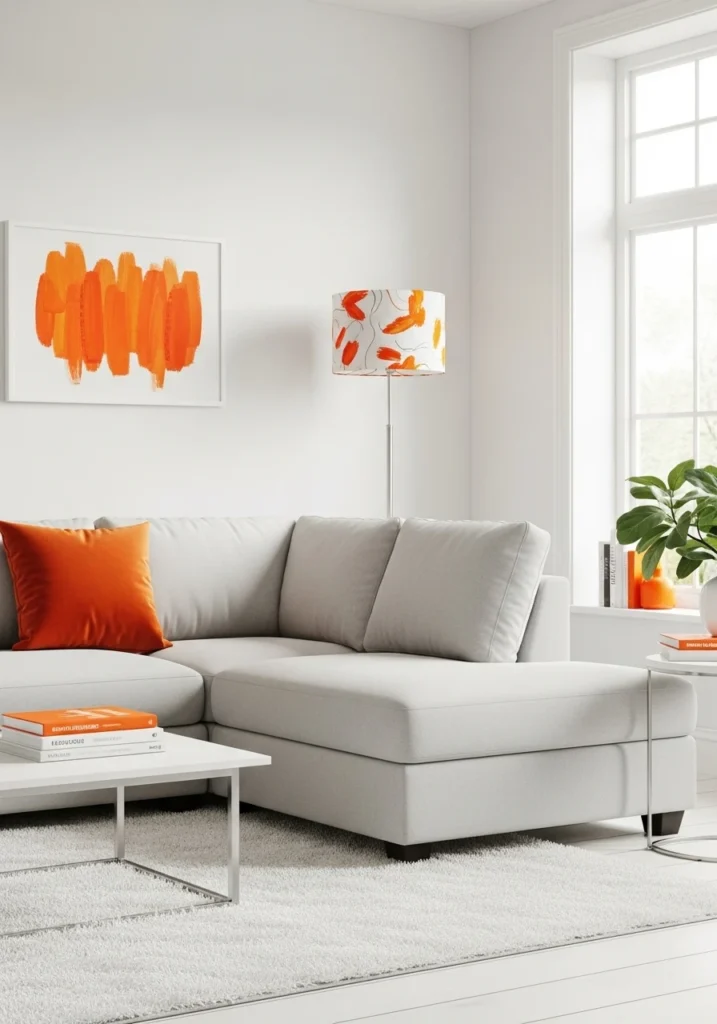
A mostly neutral room is a fantastic canvas, but without a little personality, it can feel bland. The key is to inject small, strategic pops of a vibrant accent color. This adds energy and a focal point without overwhelming the space or making it feel cluttered with competing hues.
Think of it as the 80/20 rule of design: 80% calm, 20% wow!
- Choose One or Two Accents: Pick a bold color you love—like canary yellow, magenta, or cobalt blue—and weave it in through small, easily changeable items.
- The Power of Three: Try to repeat your accent color in at least three places for a cohesive feel. For example: in a throw pillow, a vase, and a piece of art. Explore our gallery of colorful living room ideas for more inspiration.
20. Let Nature In with Living Greenery
Never underestimate the power of plants! Houseplants are the ultimate decorative accessory. They instantly add life, color, organic texture, and a touch of nature to any room. In a small space, they can also be used as clever design tools.
They are the perfect way to add a finishing touch that makes a room feel complete.
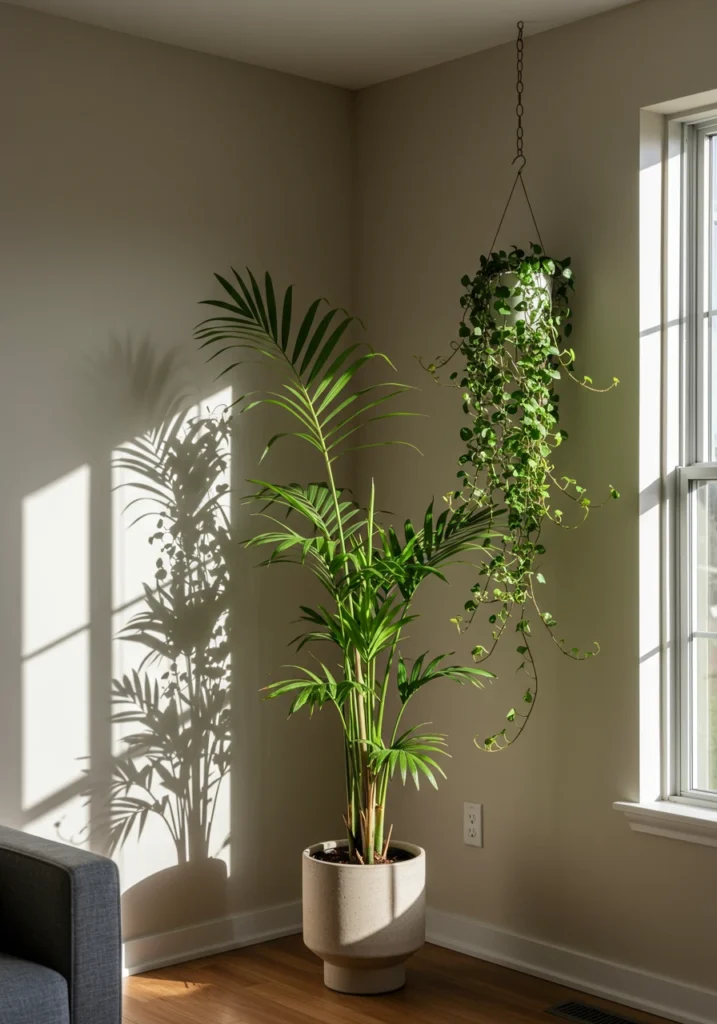
- Think Tall and Slender: A tall, skinny plant like a Snake Plant or a Fiddle Leaf Fig doesn’t take up much floor space but adds incredible vertical interest, drawing the eye upward. This is a great tip for any green living room ideas.
- Hang Them High: Use hanging planters to add greenery without taking up any floor or surface space at all. A trailing Pothos or String of Pearls in a corner is effortlessly beautiful.
- Group for Impact: A small cluster of three little plants with varying heights on a windowsill or side table can create a lovely little green vignette.
21. Pull Furniture Away from the Walls
It’s a natural instinct to push every piece of furniture flat against the walls to maximize the open floor space in the center. However, this can actually make your room feel more like a cramped box.
Creating even a tiny bit of space between your furniture and the walls allows the room to breathe.
- Float Your Sofa: Pull your sofa forward by just a few inches. That little sliver of space behind it creates a shadow line that gives an illusion of depth.
- Angle an Armchair: Instead of squaring an armchair up in a corner, try angling it slightly towards the main seating area. This breaks up the boxy layout and creates a more inviting, conversational feel. It’s a simple move that enhances the flow, perfect for a modern sectional couch living room layout.
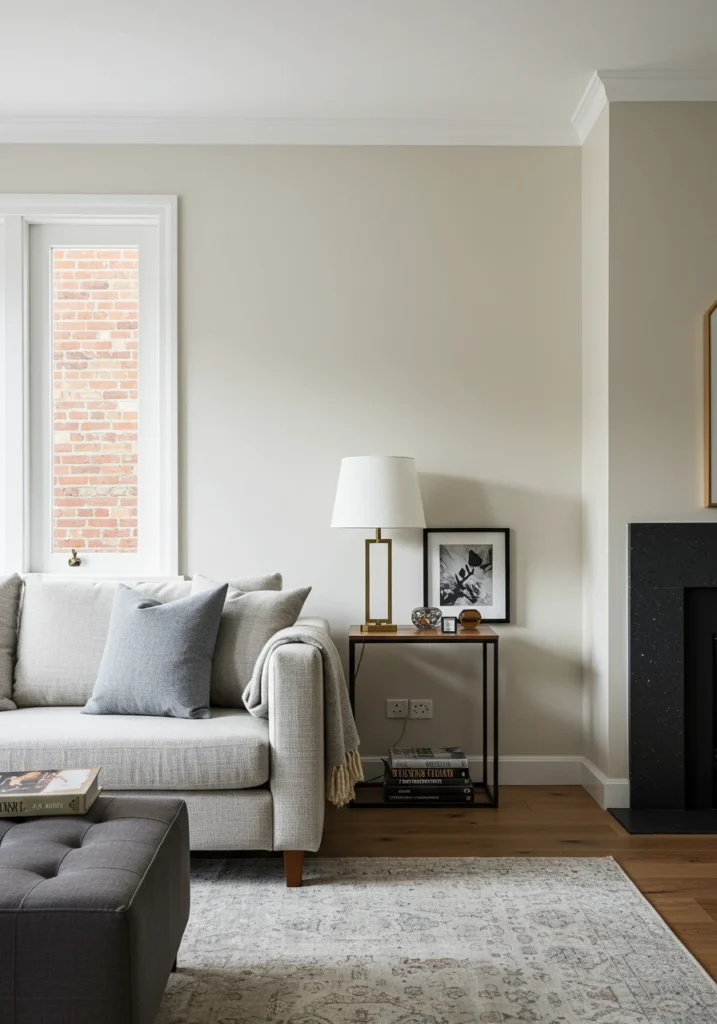
Your Small Space is Full of Big Possibilities
There you have it! A small living room is truly a canvas for creativity. By embracing smart, multi-functional furniture, playing with light and reflection, and choosing a cohesive style, you can craft a space that’s not just functional, but absolutely fabulous. Don’t be afraid to experiment, edit, and let your personality shine through. After all, the best homes are the ones that feel uniquely you, no matter the size.