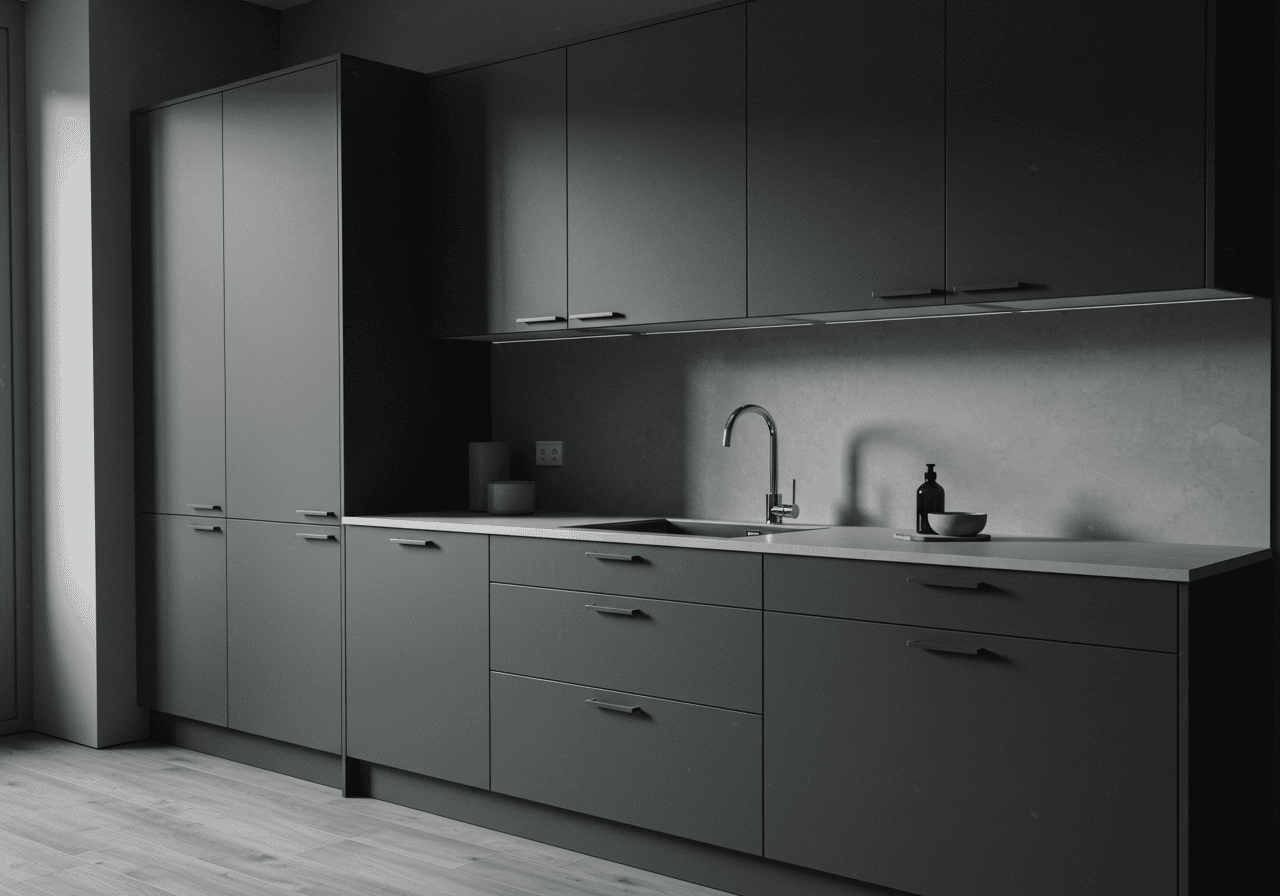

The heart of your kitchen isn’t just the oven—it’s the central hub where meals are prepped, conversations start, and daily life unfolds. For decades, the choice for this space has been a classic kitchen table. But the modern kitchen island has surged in popularity, creating a classic design dilemma: which one is right for your home?
This guide breaks down the kitchen island vs. table debate. A kitchen island is a powerhouse of functionality, ideal for homeowners who crave storage and prep space. A kitchen table, on the other hand, is the champion of connection and flexibility, perfect for those who prioritize communal dining and a relaxed atmosphere. Let’s dive in to find the perfect fit for your lifestyle and space.
What is a Kitchen Island?
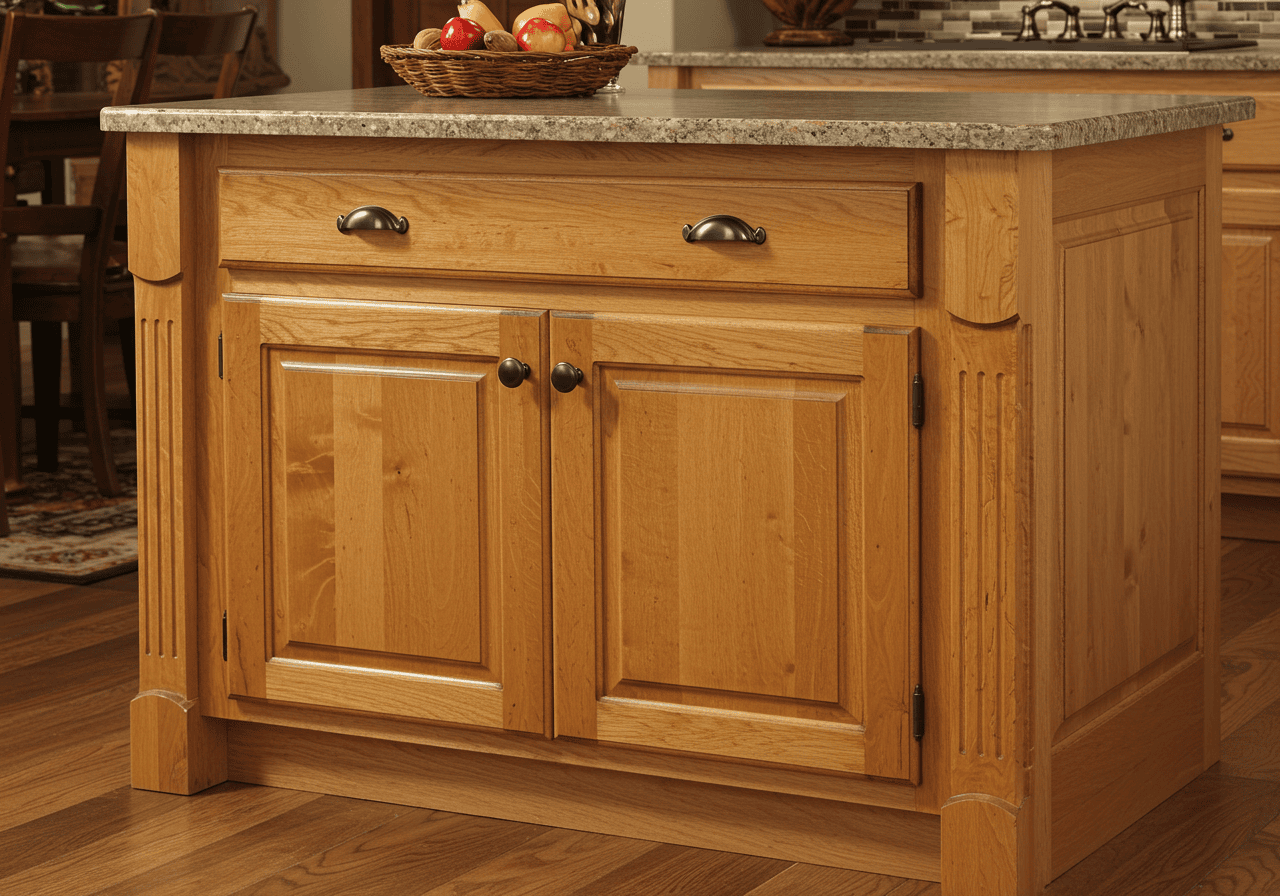
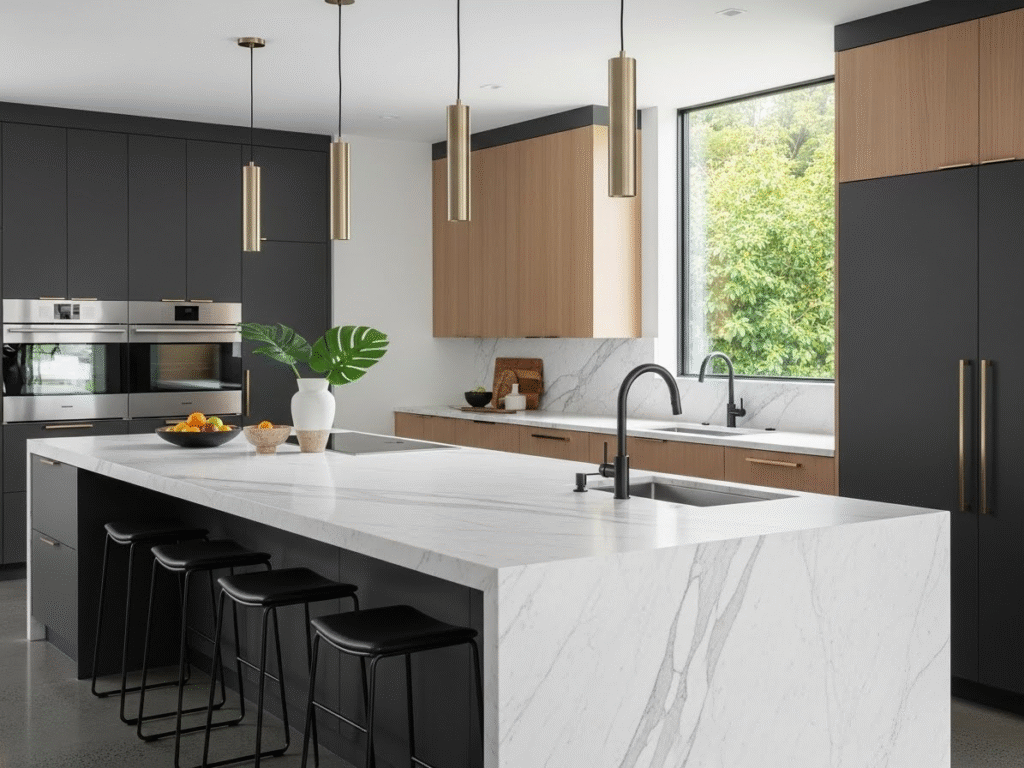
A kitchen island is more than just a piece of furniture; it’s a built-in architectural feature. It’s a freestanding unit of cabinetry, usually matching or complementing the rest of the kitchen, that provides extra counter surface, storage, and often, seating.
Defining the Modern Workhorse
At its core, a kitchen island is a multi-functional workhorse. It can be as simple as a block of cabinets with a countertop or as complex as a fully-equipped station with a secondary sink, cooktop, dishwasher, or wine fridge. Islands are typically fixed to the floor and are designed to enhance the kitchen’s workflow and efficiency.
Key Benefits of a Kitchen Island
- Storage Champion: Islands offer a wealth of storage options, from deep drawers for pots and pans to specialized shelving for cookbooks or wine bottles. This is perfect for decluttering your main countertops.
- Prep Space Pro: They provide a generous, dedicated surface for chopping, mixing, and assembling meals, keeping your main counters free.
- Functionality Hub: An island can be wired for electricity, providing convenient outlets for mixers and blenders. It can also be plumbed to house a prep sink or a dishwasher.
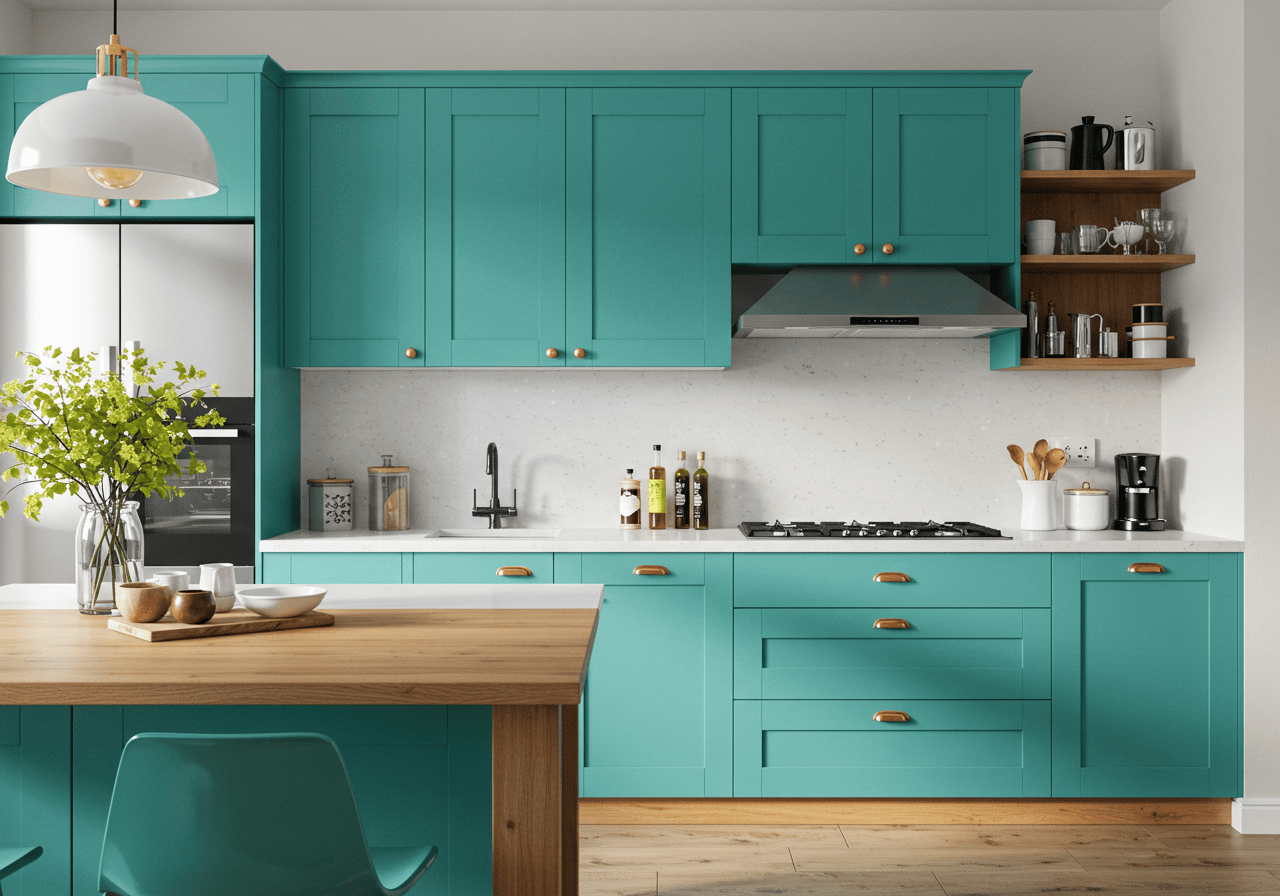
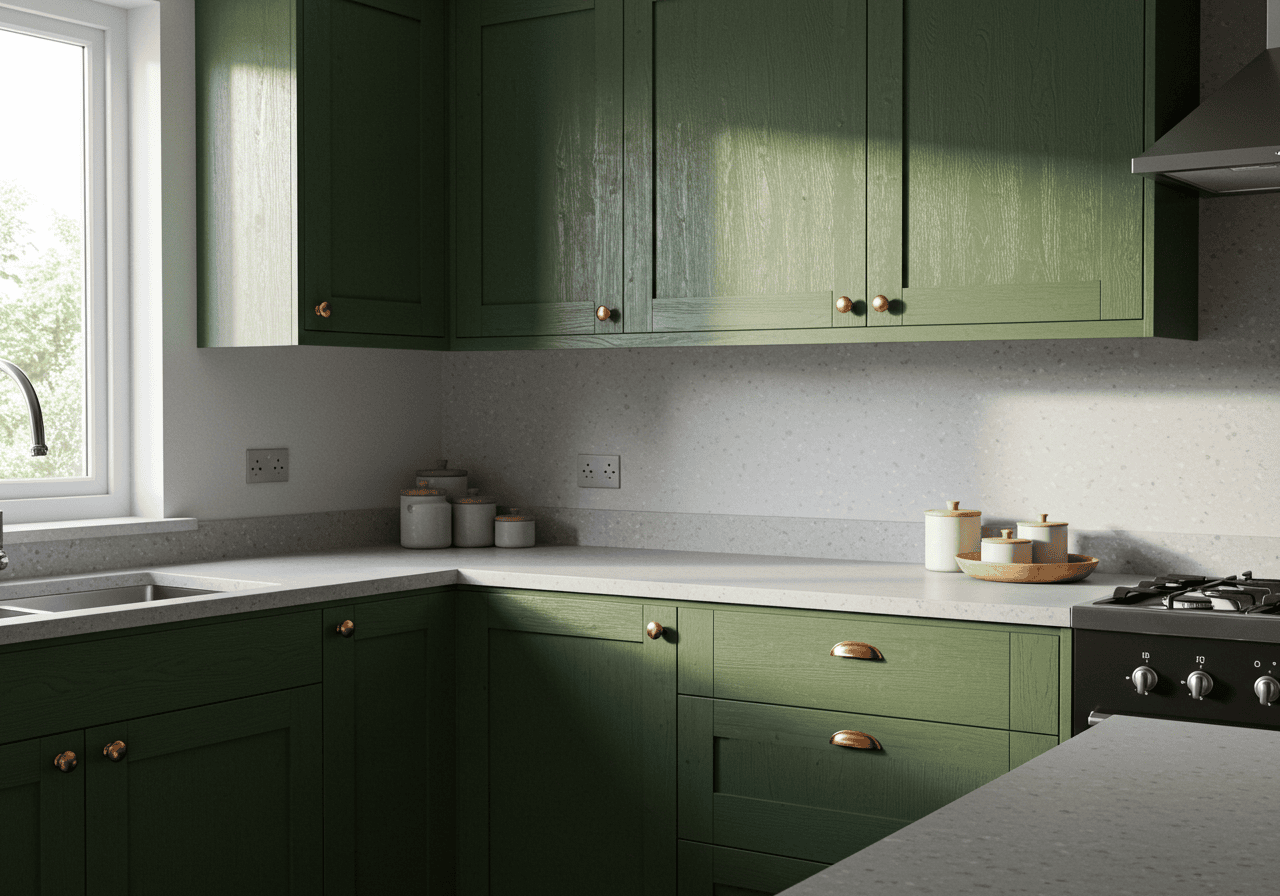
- Social Gathering Point: The countertop overhang creates a casual seating area for quick breakfasts, homework sessions, or for guests to chat with the cook. The style can be customized with various cabinet choices, from classic white shaker kitchen cabinets to bold, dark green kitchen cabinets.
Potential Limitations
- Space Hog: Islands require significant floor space. You need adequate clearance on all sides for traffic flow and to open appliance doors.
- Permanent Fixture: Most islands are permanently installed, making them a less flexible option if you like to rearrange your space.
- Informal Seating: Bar or counter-height stools are not always as comfortable for long, formal meals as traditional dining chairs.
What is a Kitchen Table?
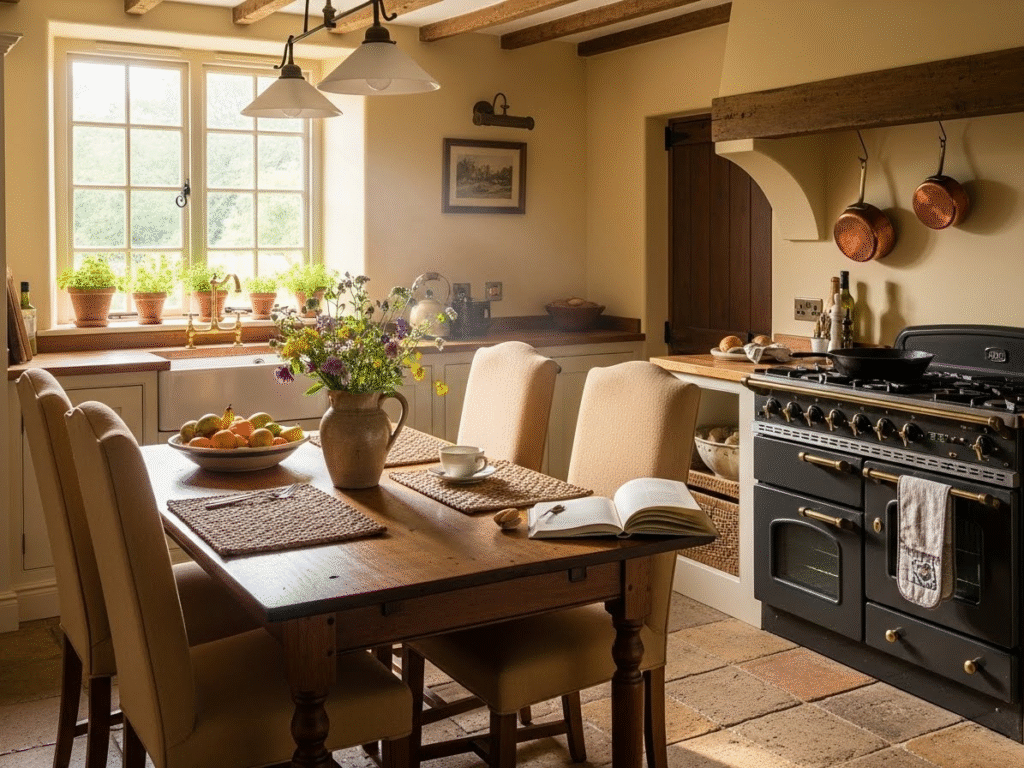
A kitchen table is the time-honored centerpiece of family life. It’s a simple, freestanding table surrounded by chairs, designed primarily for the purpose of dining and socializing. Unlike an island, its function is connection, not utility.
The Classic Gathering Spot
A kitchen table is all about bringing people together. Its lower height and surrounding chairs create an intimate and comfortable environment perfect for shared meals, board games, or morning coffee. Available in countless shapes, sizes, and materials, a table can be selected to perfectly match your home’s aesthetic.
Key Benefits of a Kitchen Table
- Ultimate Flexibility: As a piece of furniture, a table can be moved, repositioned, or replaced with ease. This is a huge advantage for renters or those who enjoy redecorating.
- Comfortable Dining: Designed for seated meals, kitchen tables and chairs offer superior ergonomic comfort for leisurely dinners compared to counter stools.
- Intimate Atmosphere: Facing each other around a table naturally fosters conversation and connection, making it the heart of family gatherings.
- Aesthetic Variety: The design possibilities are endless, from a rustic reclaimed wood table that fits a farmhouse kitchen cabinets theme to a sleek glass-and-metal design for a modern home.
Potential Limitations
- Limited Functionality: A table offers no built-in storage, extra prep space, or housing for appliances.
- Lower Height: Its standard dining height (around 30 inches) is not comfortable for standing food prep.
- Less Durable Surface (Often): While materials vary, many kitchen tables (especially wood) are more susceptible to scratches, heat marks, and water stains than a durable stone or quartz island countertop.
Kitchen Island vs. Table: A Side-by-Side Comparison
To understand the core differences at a glance, let’s compare these two kitchen titans head-to-head.
| Feature | Kitchen Island | Kitchen Table |
| Primary Function | Food prep, storage, casual seating, workflow enhancement. | Dining, socializing, family activities (homework, games). |
| Storage | Excellent. Offers built-in cabinets, drawers, and shelves. | None. Requires separate storage solutions like a buffet. |
| Seating | Casual, counter or bar-height stools. Seating is often on one or two sides. | Formal, dining-height chairs. Seating is on all sides. |
| Food Prep | Excellent. Counter-height (36″) is ergonomic for standing tasks. | Poor. Dining-height (30″) is too low for comfortable prep. |
| Installation | Complex & Permanent. Often requires a contractor, plumbing, and electrical work. | Simple. No installation required; just assembly. |
| Cost | Higher. Involves cabinetry, countertop, labor, and potential utility hookups. | Lower. A one-time furniture purchase with a wide price range. |
| Flexibility | Low. It is a fixed, permanent structure. | High. Can be easily moved, rotated, or replaced. |
Deep Dive: Functionality and Practicality
Beyond the basics, how do these options perform in your day-to-day life? It all comes down to the balance between workflow and lifestyle.
The Workflow Warrior: The Kitchen Island
A kitchen island is fundamentally about improving the function of your kitchen.
- The Kitchen Work Triangle: An island can perfect your work triangle—the path between the sink, refrigerator, and stove. It can shorten the distance between these key points, making cooking more efficient. A well-placed island can house the prep sink or cooktop, creating a highly effective work zone.
- Integrated Utilities: The ability to add electrical outlets turns an island into a true workstation for small appliances. No more stretching cords across the kitchen! Adding a sink makes it the ultimate prep station for washing vegetables and hands.
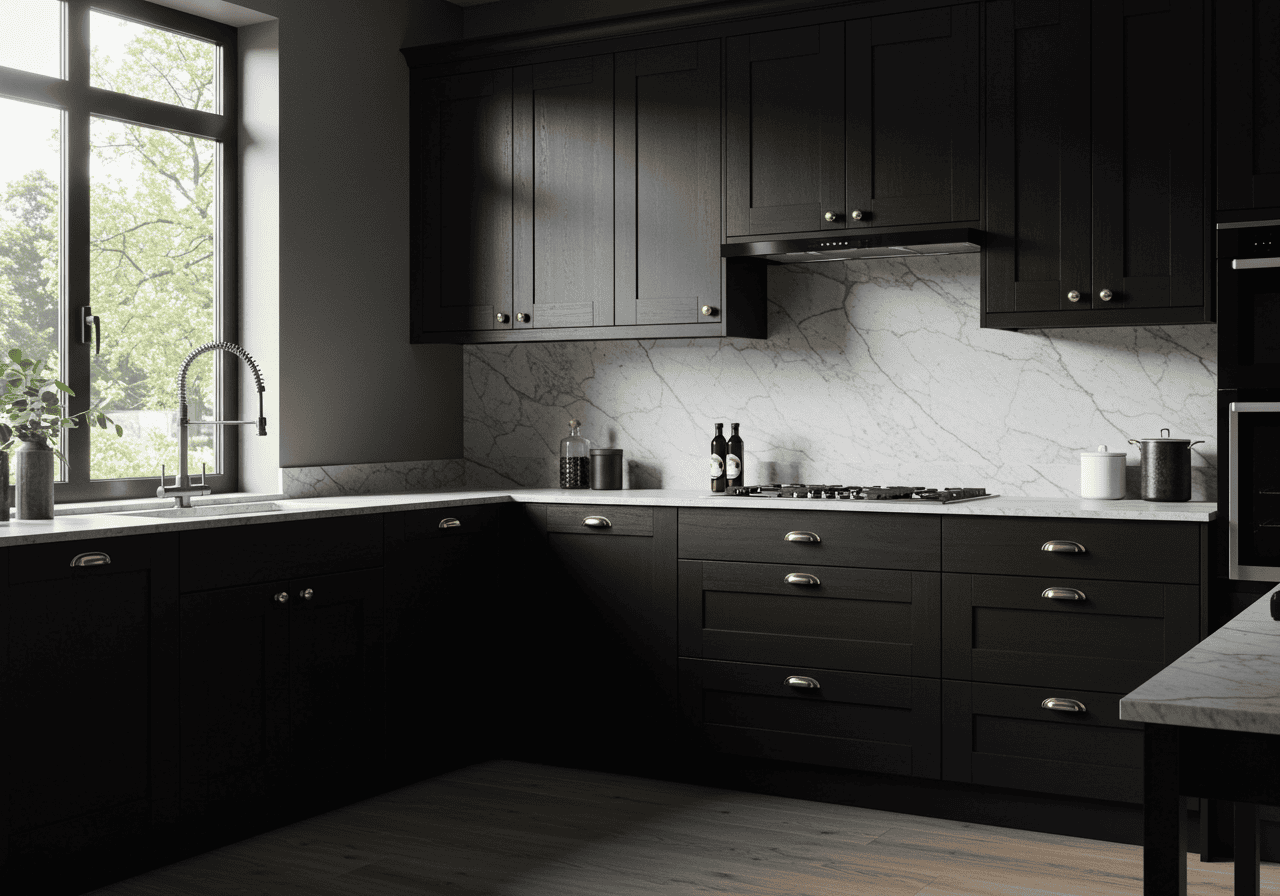
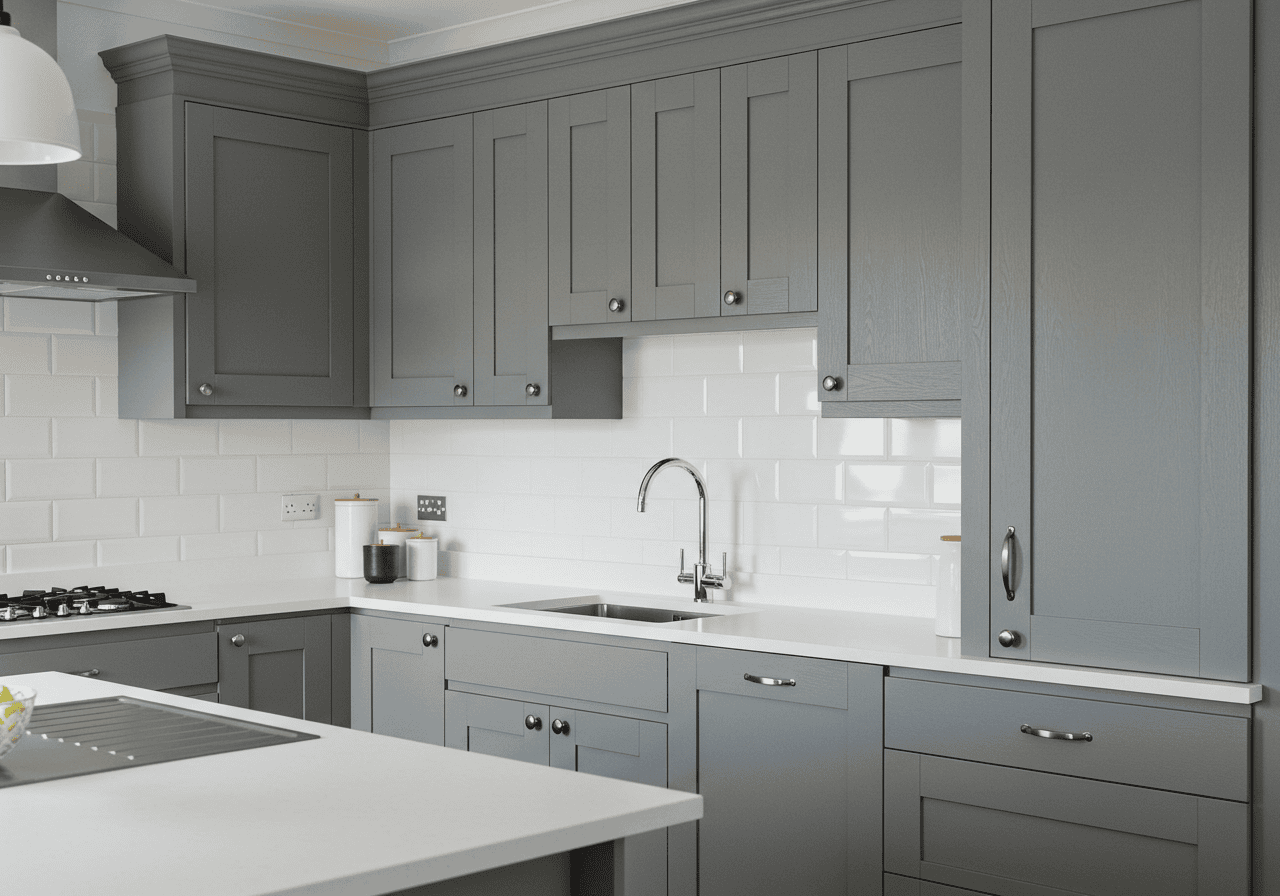
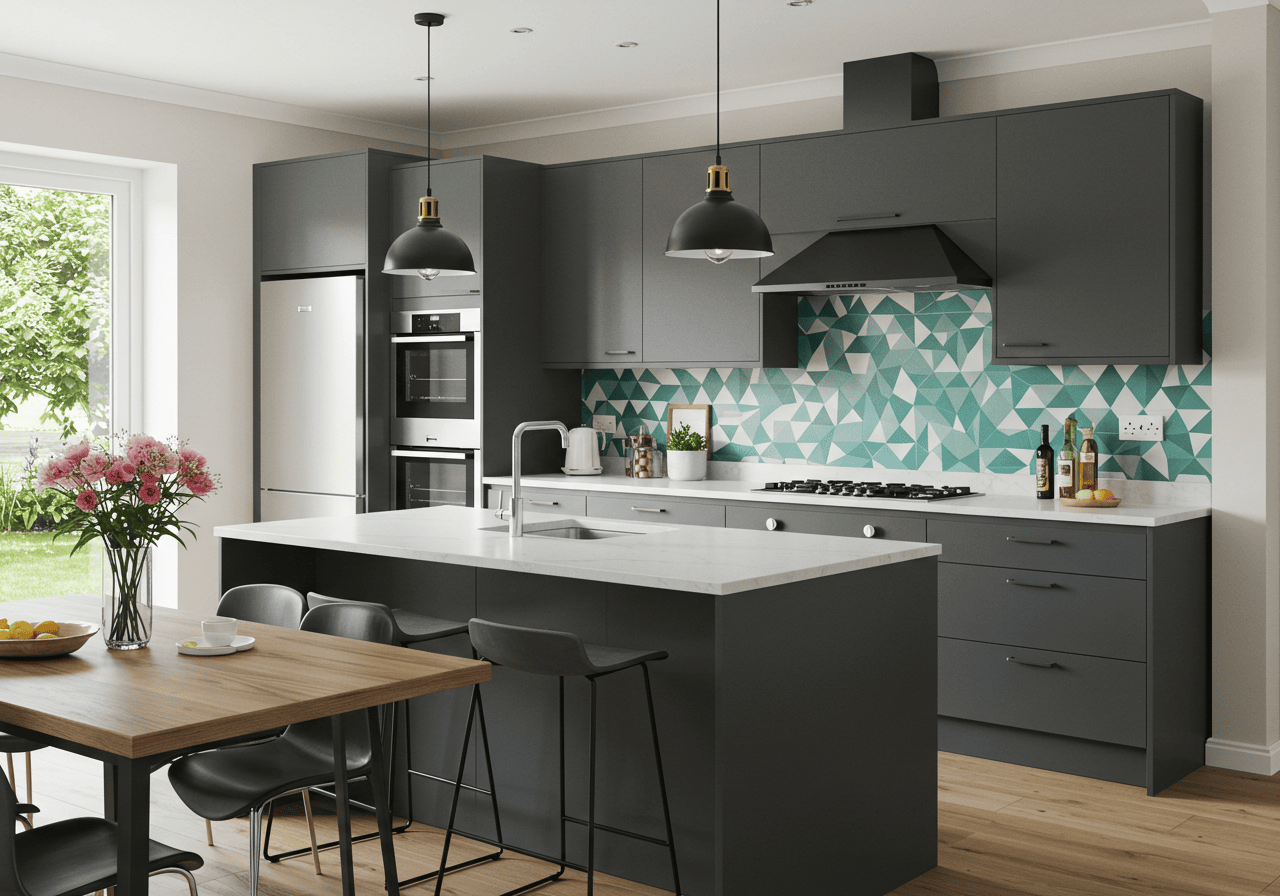
- Visual Anchor: A substantial island acts as a strong visual anchor in an open-concept space. It helps define the kitchen area without closing it off. You can make it a statement piece with dramatic black granite countertops or a bold cabinet color to contrast with your main cabinetry, like pairing dark grey kitchen cabinets with a lighter island.
Expert Insight: For an island to be functional, you need proper clearance. The National Kitchen & Bath Association (NKBA) recommends at least 42 inches of clearance for a work aisle and 36 inches for a walkway. In a two-cook kitchen, that work aisle should expand to 48 inches.
The Social Butterfly: The Kitchen Table
A kitchen table is designed for people. Its practicality lies in its ability to adapt to human connection and changing needs.
- Comfort and Connection: There’s an undeniable warmth to sitting around a table. Everyone is at the same level, facing each other, which encourages conversation. Chairs with backs and footrests offer far more comfort for long meals than backless stools.
- Open and Airy Feel: Because a table has legs instead of a solid base, it creates a more open and less bulky feel in a room. This can make a smaller kitchen-dining area feel larger and more inviting. This works beautifully in kitchens with light wood kitchen cabinets that aim for a bright, Scandinavian feel.
- Multi-Purpose Surface: While not for prep, a table becomes the hub for everything else: a landing spot for mail, a desk for homework, a surface for family craft projects, or a buffet for parties. Its adaptability is its greatest strength.
Aesthetics and Style Preferences
How your kitchen feels is just as important as how it functions. Both islands and tables make a powerful visual statement, but in very different ways.
The Island: A Seamless, Architectural Statement
A kitchen island is designed to be an integral part of your kitchen’s architecture. It looks permanent, solid, and intentional.
- Continuity and Cohesion: By using the same cabinetry and countertops as the rest of the kitchen, an island creates a seamless, cohesive look. This is perfect for minimalist and modern designs where clean lines are key. A popular choice is pairing a striking island with a backdrop of neutral cabinets, like a dark island against off-white kitchen cabinets for a sophisticated contrast.
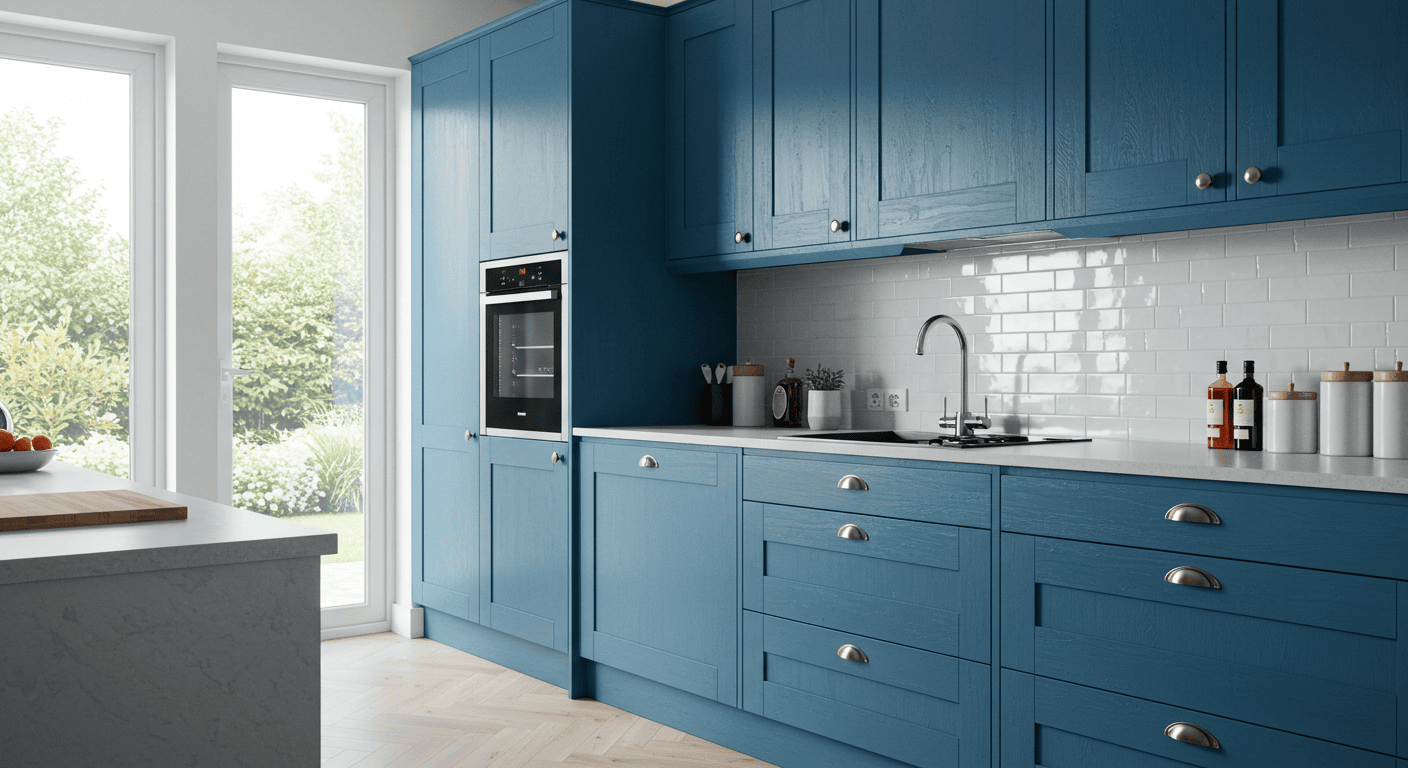
- The Statement Piece: Alternatively, an island can be a deliberate statement piece. Use a contrasting cabinet color (like deep blue against white) or a dramatic countertop material (like a waterfall-edge marble) to create a stunning focal point. This approach works well in eclectic or contemporary kitchens, especially when you want to highlight a beautiful set of blue and white kitchen cabinets.
- Style Compatibility: Islands are incredibly versatile. A chunky, reclaimed wood island complements rustic kitchen cabinets, while a sleek, handleless design with a quartz top is perfect for a modern space. The key is that the island feels built-in and part of the overall design DNA.
The Table: A Personal, Decorative Touch
A kitchen table is a piece of furniture, and that’s its aesthetic superpower. It offers a chance to introduce a different material, shape, and personality into the kitchen.
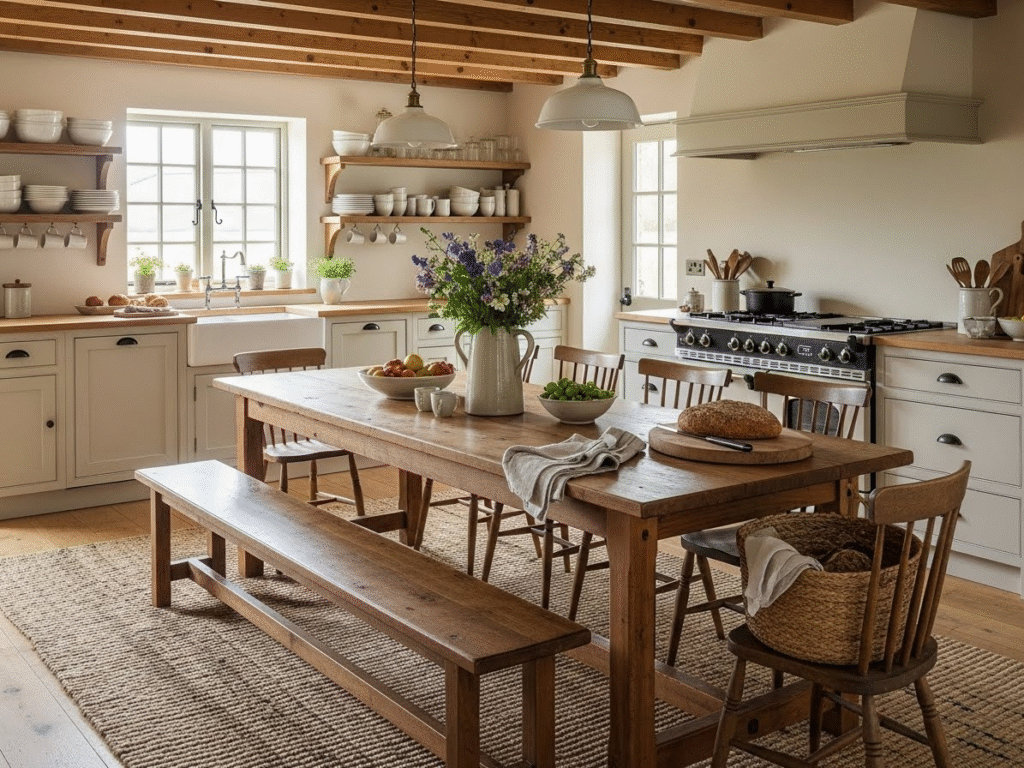
- Warmth and Character: A wooden table can bring organic warmth and texture into a kitchen that might otherwise feel cold with stone countertops and sleek appliances. This is a hallmark of styles like farmhouse, traditional, and boho.
- Visual Lightness: The legs of a table allow light and air to flow underneath, making the space feel more open. A round pedestal table, for example, can soften the hard lines of cabinetry and is great for improving traffic flow.
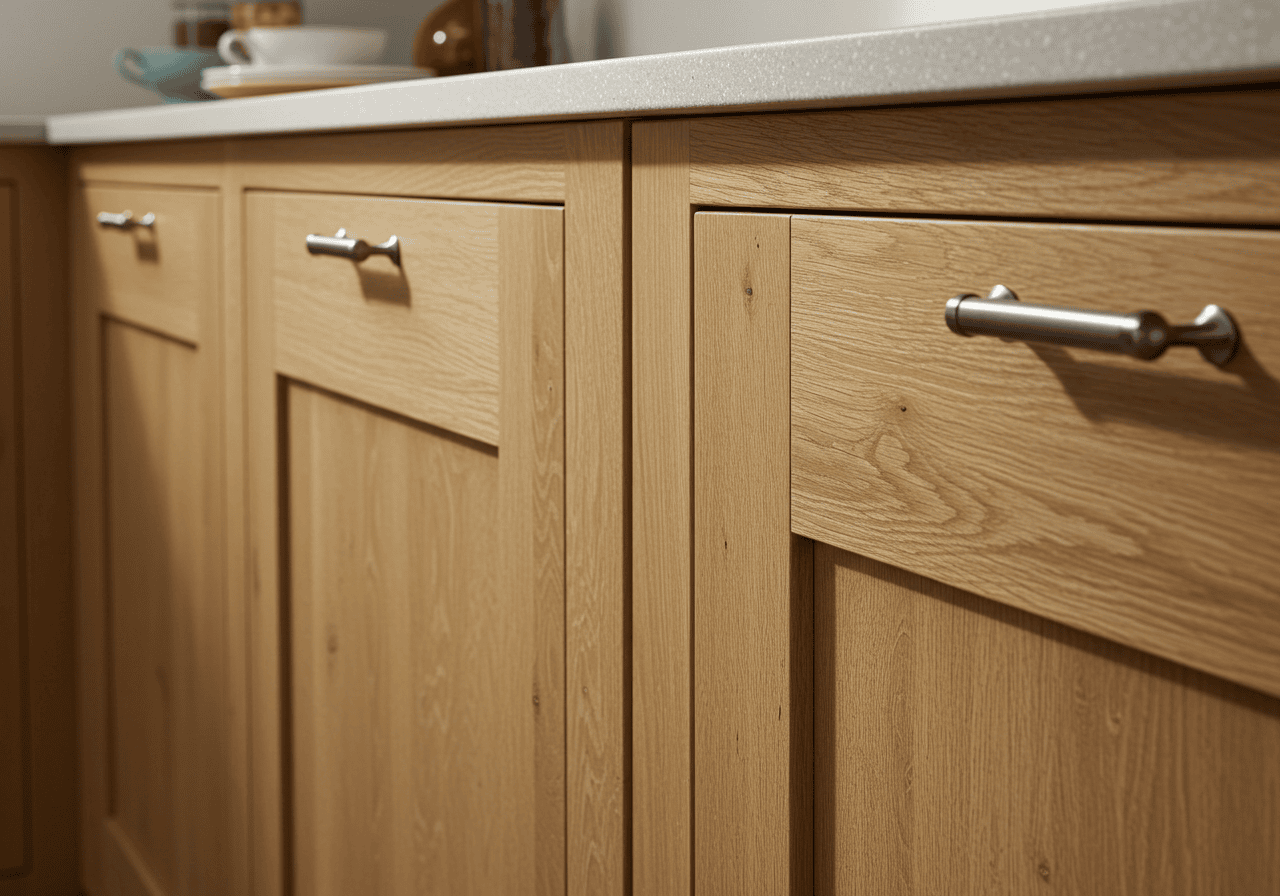
- Mix-and-Match Potential: You aren’t tied to your cabinet style. You can pair a sleek, industrial metal table with traditional natural wood kitchen cabinets for an eclectic look, or add a vintage table to a brand-new kitchen for a touch of soul. The styling possibilities are endless.
Durability, Maintenance, and Longevity
Your kitchen centerpiece will see a lot of action. Consider how much wear and tear it can handle and how much effort you’re willing to put into maintaining it.
Island Durability and Maintenance
An island is built to last, using the same durable materials as the rest of your kitchen.
- Longevity: Built from sturdy cabinetry and topped with resilient materials like granite, quartz, or stainless steel, an island is designed for decades of heavy use.
- Maintenance: The countertop dictates the maintenance.
- Quartz: Non-porous, highly resistant to stains and scratches. Requires minimal maintenance—just soap and water.
- Granite: Very durable but porous, so it needs to be sealed periodically (usually every 1-2 years) to prevent staining. Check out these stunning black and white kitchen ideas to see how durable countertops can define a space.
- Butcher Block: Requires regular oiling to prevent drying and cracking and can be susceptible to stains and water marks if not properly cared for.
Table Durability and Maintenance
A table’s longevity depends entirely on its material and construction.
- Longevity: A high-quality solid wood or metal table can last a lifetime. However, cheaper options made from MDF or veneer may show wear and tear much faster.
- Maintenance:
- Solid Wood: Prone to scratches, dents, and heat/water marks. Requires coasters and placemats for protection. Can be sanded and refinished to erase damage.
- Glass: Resists stains but can be scratched or chipped. Shows fingerprints easily.
- Laminate/Veneer: Easy to clean but difficult or impossible to repair once scratched or chipped.
Budget: What Will It Really Cost?
Cost is often a deciding factor. An island and a table exist in completely different price brackets due to the complexity and labor involved.
- Kitchen Island Cost (Higher): An island is an investment. The cost is a sum of its parts:
- Cabinetry: $500 – $3,000+
- Countertop: $500 – $4,000+ (depending on material)
- Labor/Installation: $400 – $1,500+
- Utilities (Plumbing/Electrical): $500 – $2,000+
- Total Estimated Cost: $1,500 – $10,000+
- Kitchen Table Cost (Lower): A table is a straightforward furniture purchase.
- Table & Chairs: $300 (basic set) – $5,000+ (high-end designer set)
- Installation: $0 (DIY assembly)
- Total Estimated Cost: $300 – $5,000+
Scenario-Based Showdown: Best Use Cases
Let’s apply this knowledge to real-life situations to see which option comes out on top.
- For Small Kitchens or Rentals:
- Winner: Kitchen Table. A small, round table or even a narrow bistro table provides dining space without the bulk. Its flexibility is key for renters who can’t make permanent changes and need to take their furniture with them.
- For Large, Open-Concept Homes:
- Winner: Kitchen Island. An island is the perfect tool to anchor a large space. It defines the kitchen’s perimeter, provides a massive amount of functional surface, and serves as a natural gathering spot during parties, preventing guests from crowding the cook’s primary workspace. It’s the command center of an open-plan home.
- For Busy Families with Kids:
- It’s a Tie. This depends on the family’s lifestyle. An island is fantastic for casual weekday breakfasts, homework while a parent cooks, and quick snacks. A table is better for sit-down family dinners where everyone can connect without distractions. Many large kitchens now feature both for the best of both worlds.
- For the Passionate Home Cook:
- Winner: Kitchen Island. No contest. The added prep space, potential for a second sink or cooktop, and endless storage make the island an indispensable tool for anyone who spends a lot of time cooking. It streamlines the entire process.
- For a Luxury Aesthetic:
- Winner: Kitchen Island. A grand, oversized island with a waterfall stone countertop, high-end integrated appliances, and designer pendant lighting is the epitome of modern kitchen luxury. It makes a bold, high-impact design statement that a table rarely can. Combining a dramatic island with a monochromatic scheme like a gray and white kitchen creates an effortlessly chic look.
So, Which One Should You Choose?
Answer these quick questions to find your perfect match.
- Do you need more storage and prep space?
- Yes: A kitchen island is your best bet.
- Is your primary goal to have a comfortable spot for family meals?
- Yes: A kitchen table is the classic choice for a reason.
- Are you on a tight budget or renting your home?
- Yes: A kitchen table offers affordability and flexibility.
- Do you have a large, open-concept space that needs a focal point?
- Yes: A kitchen island will anchor the room beautifully.
- Do you value flexibility and the ability to redecorate easily?
- Yes: A kitchen table can be moved or swapped out anytime.
Frequently Asked Questions (FAQs)
1. Can I have both a kitchen island and a table?
Absolutely! If you have the space, this combination offers the ultimate in functionality and comfort. The island serves as the workhorse for prep and casual meals, while the table is reserved for more formal or family dining.
2. What is a “hybrid” island-table?
This is a popular modern solution. It’s an island at counter-height on one side (for prep) that drops down to table-height on the other side (for dining). It uses standard dining chairs and offers a more comfortable seating experience than bar stools.
3. How much space do I need for a kitchen island?
You need at least a 36-42 inch walkway around the island on all sides. This means your kitchen should ideally be at least 13 feet wide to accommodate a standard 2-foot deep island and cabinets on both sides.
4. Can a moveable cart work as a kitchen island?
Yes! A kitchen cart on casters is a fantastic solution for small spaces. It provides extra prep space and storage when you need it and can be rolled out of the way when you don’t. It’s a great compromise between a permanent island and no island at all.
The Final Verdict: Summary and Recommendation
The choice between a kitchen island and a kitchen table is deeply personal and depends entirely on your space, budget, and lifestyle.
| Aspect | Kitchen Island | Kitchen Table |
| Best For | Functionality, storage, prep, and large kitchens. | Connection, comfortable dining, flexibility, and smaller spaces. |
| Space Needs | High | Low to Medium |
| Cost | High | Low to Medium |
| Permanence | Permanent | Moveable |
| Primary Vibe | Architectural, built-in, modern. | Personal, warm, traditional. |
Final Recommendation:
Choose a kitchen island if your top priorities are enhancing kitchen workflow, maximizing storage, and creating a functional, modern hub for casual entertaining. It is the ultimate tool for a passionate cook in a spacious home.
Choose a kitchen table if you cherish the tradition of sit-down family meals, need a flexible and budget-friendly solution, or have a smaller kitchen where a bulky island would feel overwhelming. It remains the unbeatable champion of comfort and connection.